
 Loading...
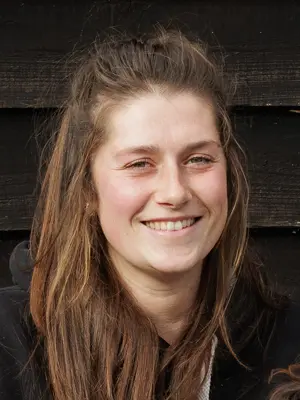
Charlotte West’s final year at Harper Adams University was interrupted, due to covid. Forcing her back to Stocken Farm. Faced with the labour challenges of a changing industry, she turned the family farm into a resilient business ready for the future.
On the family’s 410-ha dairy at Princes Risborough, Charlotte found herself drawn into the rhythm of milking, herd care and management decisions and gradually started shaping the farm’s future. Today, the Wests’ high-yielding Friesian Holsteins average just under 12,000 litres per cow and are milked three times a day. It’s a slick, growing enterprise but Charlotte’s focus isn’t just on litres. It’s on people. “When I came home, I realised I could either just blend in as an employee or start changing things,” she says. “But it was impossible to just blend in and there were things that I wanted to do better.”
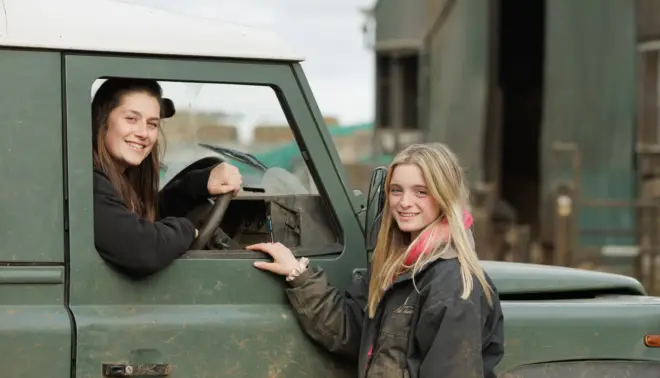
A diverse team of operations managers with different strengths and weaknesses
Charlotte farms alongside her dad Richard, brother Robert, and mum Maxine who manages the books. Like many family businesses, they relied on instinct and experience to keep things running smoothly. But as the dairy business expanded, they recognised the need to bring more structure and clarity into how the team worked.
They turned to Real Success, an employment consultancy specialising in agricultural workplaces, for further advice and support. “They asked questions that most families tend to avoid, such as ‘What do you actually want from the business?’” explains Charlotte. The team then completed short personality profiles. “We’re all very different, which actually works really well. Mum and Dad are quite similar, but Robert and I are complete opposites, and for the business that’s a good thing.”
It made us realise how important open communication really is.
Charlotte West, Operations Manager
Charlotte’s profile came back as a Visionary Investigator; someone who’s results-driven, detail-focused, and likes to understand the ‘why’ behind every process. Robert, meanwhile, emerged as a Team Maker, meaning he’s quiet, steady, and peacekeeping, but reluctant to make decisions or confront conflict.
“Team Makers are the silent leavers of a business,” Charlotte says. “They don’t say they’re unhappy they just hand in their notice. So, it made us realise how important open communication really is.” That exercise didn’t just define roles; it strengthened relationships. Today, Charlotte leads the dairy as herd manager, while Robert oversees arable work.
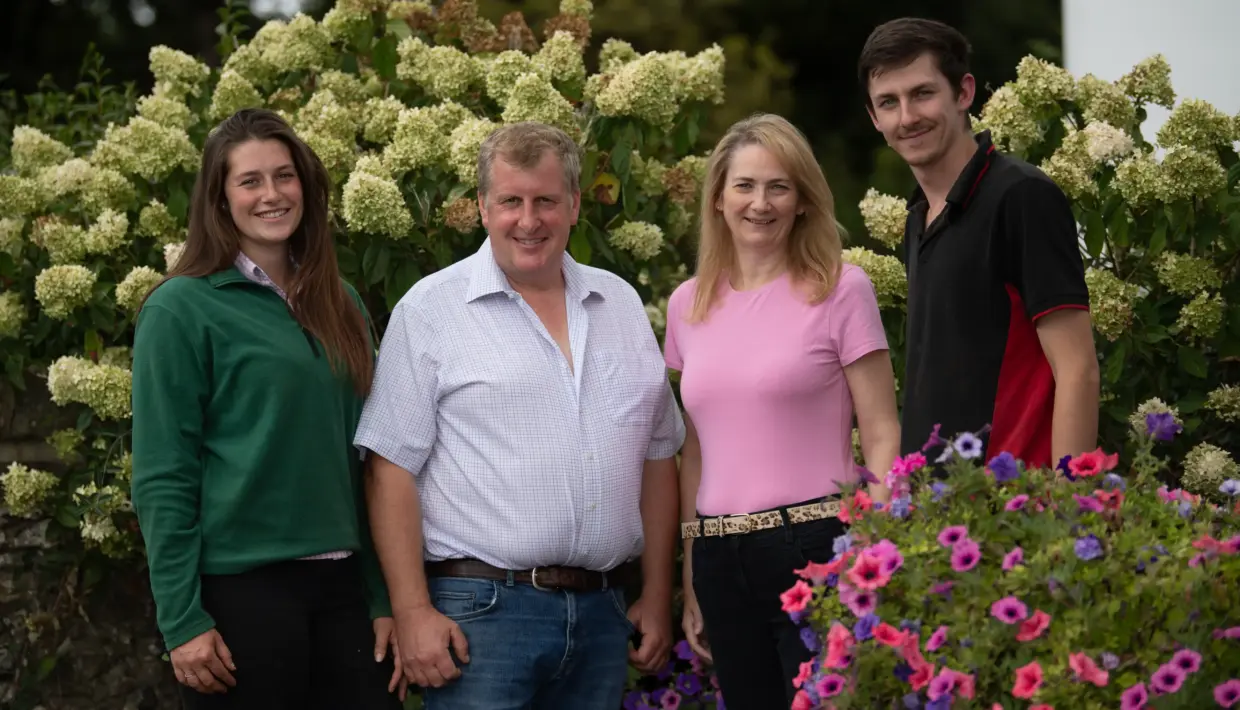
Flexible working hours and duty rosters
That same people-first mindset now shapes how the Wests run their 17-person team. Staff range from full-timers to those who work just a few shifts a week – and flexibility is built into everything. “Everyone does a different amount,” says Charlotte. “But the idea is that we run it with more people so there’s always cover for holidays, and no one’s stretched too thin.”
The milking team operates on a three-times-a-day schedule, yet no one gets stuck in a rut. One herdsman rotates through mornings, nights, and lunchtimes week by week, a system that lets him plan his life around work in advance.
Crucially, Charlotte makes sure the rota allows space for personal commitments like sports training or family events. “A lot of our younger team are members of the Young Farmers Club,” she says. “If it’s a Wednesday night meeting, I’ll do the rota so they can go. It’s important they have lives outside of work.”
It’s an approach learned partly from her dad, who, she notes, has never denied anyone a holiday request. That flexibility helps keep morale high and makes it easier to recruit and retain staff in a tight labour market.
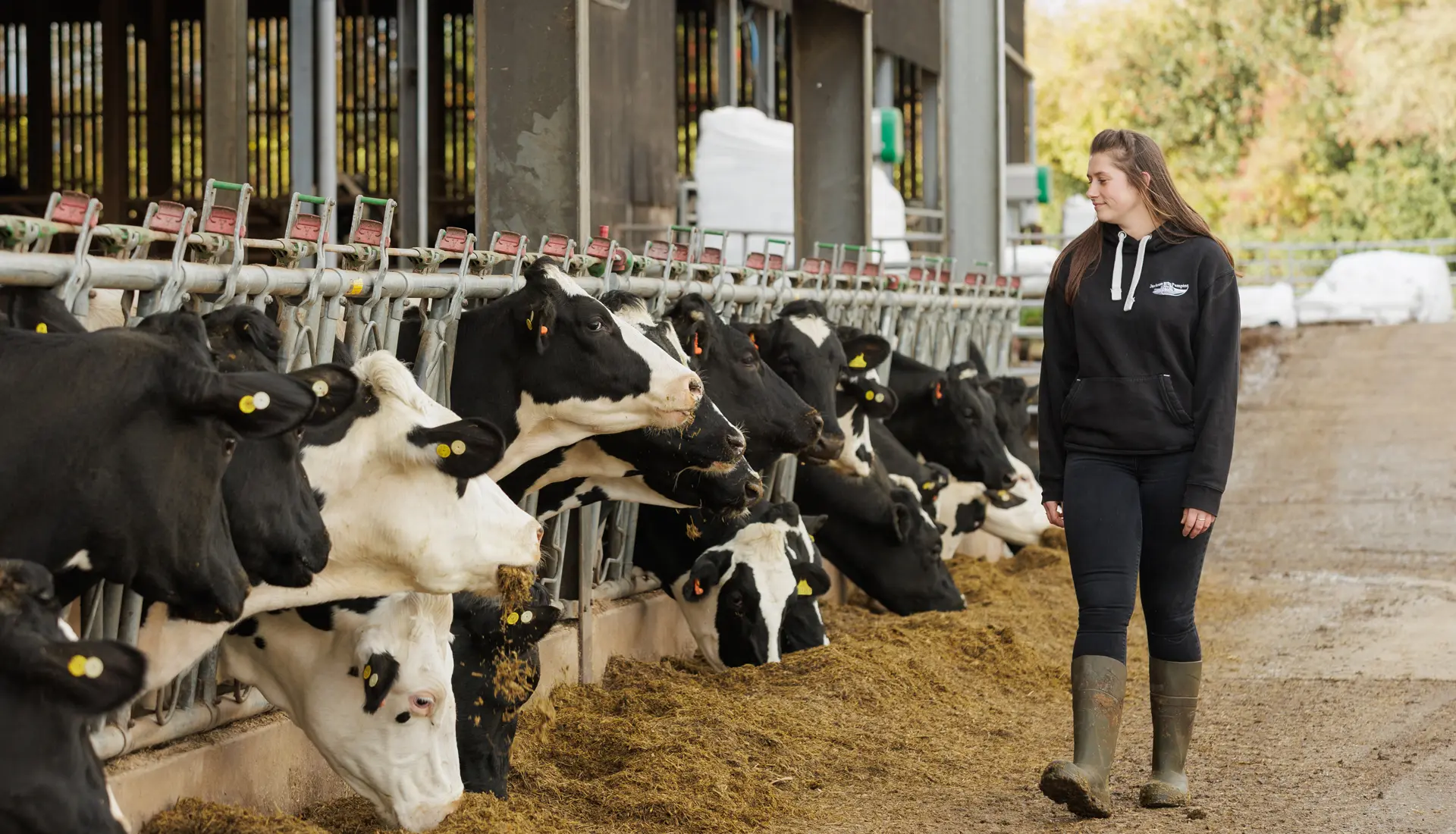
Regular training and further education as part of the job
Charlotte’s view on recruitment is simple; attitude over experience. “I’d rather train someone up than un-train bad habits, and I’ll never say no to someone because of lack of experience,” she says.
Regular training sessions, from chainsaw safety to animal health protocols, are part of the job. The farm vet visits several times a year to refresh the team on herd health topics, from recognising early signs of illness to using antibiotics responsibly.
It’s all about making sure people understand why they’re doing what they do. If they know the reason behind a protocol, they take ownership.
Charlotte West, Operations Manager
The result speaks for itself; calf mortality has dropped significantly, and staff feel empowered to act confidently on herd issues. “It’s all about making sure people understand why they’re doing what they do,” says Charlotte. “If they know the reason behind a protocol, they take ownership.”
This philosophy extends to career development, too. Staff reviews are conducted annually by an independent consultant, and the whole team meets a few times a year to reflect on what’s going well and what could be improved.
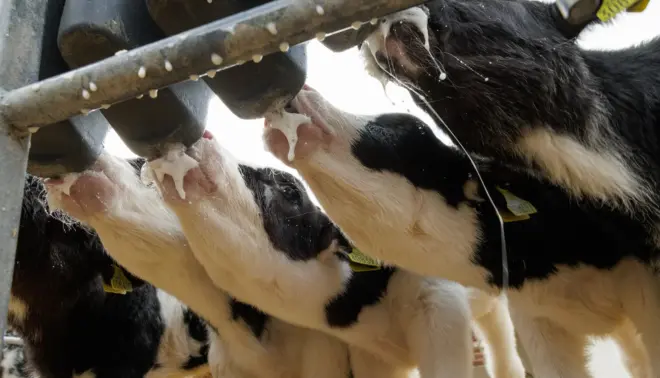
Achieving and celebrating shared goals
The culture of open dialogue has created a workplace where people want to make improvements. When the team noticed mastitis levels creeping up, they took collective responsibility – identifying causes, adjusting routines, and driving infection rates down from 80 cases per 100 cows to just eight.
“That was a huge achievement,” Charlotte says proudly. “When we hit targets like that, we celebrate together.” Sometimes that means a meal out or a day trip – and unusually for most dairy farms, they will change milking times so everyone can join in.
You can’t just say you value people; you’ve got to show it.
Charlotte West, Operations Manager
“It’s unheard of on most farms, but we make it work,” she adds. “You can’t just say you value people; you’ve got to show it.” Bonuses and pay are tailored to experience and contribution, and they aim to always pay above minimum wage.
Hygiene and protective measures are part of everyday life
Physical working conditions matter too. The Wests are in the process of upgrading their facilities, including a new staff room designed as a ‘boots-off’ space, which will be somewhere clean, warm, and comfortable for meals and breaks.
If you expect people to do their best, you have to give them the right environment.
Charlotte West, Operations Manager
Two team members have lived on-site in static caravans for over a decade, while the herdsman has his own house nearby. Protective clothing is provided as standard, from branded aprons and tops to colour-coded high-vis coats: Orange for calf work, yellow for cows. Beyond safety, this system prevents cross-contamination between groups, showing Charlotte’s attention to detail.
Farm cleanliness and biosecurity aren’t afterthoughts; they’re everyday culture. “We treat this like a workplace, not just a farm,” says Charlotte. “If you expect people to do their best, you have to give them the right environment.”
Putting staff first
- Flexible working hours and rotas
- Guaranteed holiday cover
- Regular training and skills development
- Annual independent staff reviews
- Clear communication and defined roles
- Performance bonuses and team celebrations
- Clean staff room and on-site accommodation
- Work life balance
Technology plays an important supporting role
While people are at the heart of the business, technology plays a key supporting role. Investment in modern kit and efficient work systems means jobs can be done faster and more safely, from milking routines to data tracking.
Charlotte’s experience on both intensive and extensive systems during her university placement with McDonald’s gave her a broad perspective. “I saw what worked on an intensive dairy system in Yorkshire and an extensive one in Dorset, and brought those ideas home,” she says. “The right tech can make everyone’s life easier, but you’ve got to bring your team along with you.”
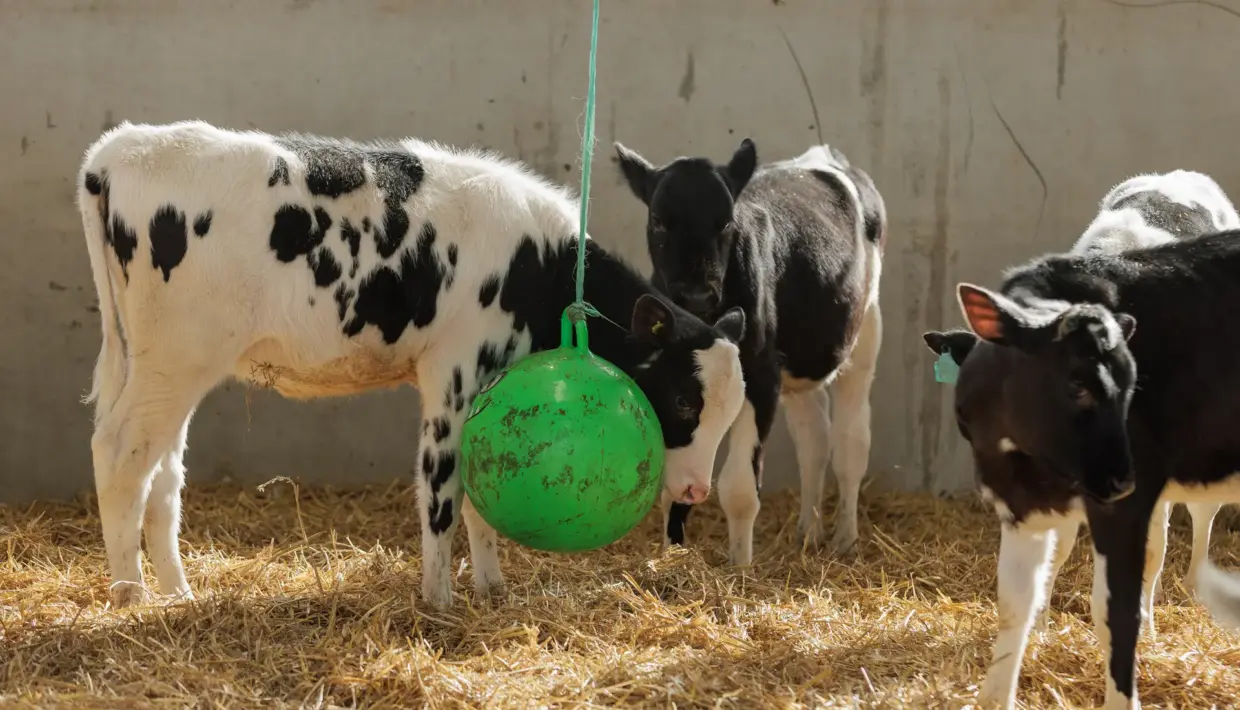
Charlotte and Robert work closely to make sure equipment is used to its full potential. Charlotte noticed that a heat lamp intended to aid calf health could only be used over a single pen, limiting its use. Robert modified it to be mobile, allowing staff to use it across multiple pens. “Now everyone uses it, and we can already see an improvement in calf health,” Charlotte says.
The Wests have taken a traditional family-run dairy and layered in modern management, clear communication, defined roles, personal recognition, and flexible working. All while maintaining the warmth that makes family farms special.
We’re a business, but we’re also a team. If our people are thriving, the cows thrive, and so does the farm.
Charlotte West, Operations Manager
Charlotte’s vision now is to keep developing both people and herd performance in tandem. “We’re a business, but we’re also a team,” she says. “If our people are thriving, the cows thrive, and so does the farm.” It’s a simple truth, but one that’s often overlooked in agriculture. For Charlotte, getting it right isn’t just about effective management, it’s about securing the long-term success and sustainability of her family farm for future generations.
Farm Facts Stocken Farm
- Farm size: 410 ha
- Location: Princes Risborough, Buckinghamshire
- Enterprise: Dairy with some beef and arable
- Herd: 420 Friesian Holsteins
- Farm size: 410 ha
- Team: 17 people (mix of full- and part-time)
- Milking: Three times a day
- Yield: Just under 12,000 litres per cow