What climate changes are most likely for farms in Europe in the next 20–25 years, and what does this mean in practice?

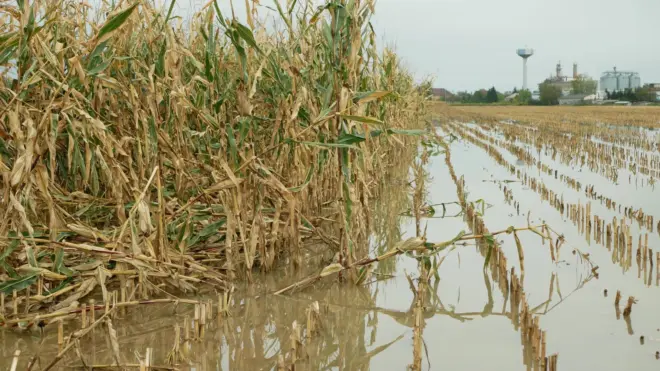
Europe is getting warmer, and the risk of extreme weather increases with every tenth of a degree. Farms must expect more frequent dry spells, heavy rainfall, and longer periods of heat and drought. In Central Europe, ‘blocked’ weather patterns are also increasing. These are high or low-pressure systems that remain stationary for longer and intensify extremes. In practice, this means gearing planning more towards fluctuations, for example simultaneously being able to save water and drain heavy rainfall.
Many argue that warming means more water in the air, so why are we still experiencing weeks of drought?
Globally, warmer air can carry more water vapour, but the rain does not necessarily fall where it evaporated. The distribution of rain is what matters for farms. Three weeks of drought followed by heavy rainfall is no substitute for steady, soaking rain. It is these erratic patterns that are increasing, and with them the risk of yield and quality losses.
Where are crop failures due to heat, drought, or heavy rainfall particularly likely, and what does this mean for farms in Northern, Southern, and Central Europe?
In the Mediterranean region, the underlying trend is already hotter and drier. However, extreme years are also increasingly affecting ‘traditional’ arable farming regions in Central and Northern Europe. The key trend is greater variability. Farmers should therefore focus on cultivation systems that can cope with both too little and too much water.
To what extent can regional precipitation forecasts be trusted, and how should farmers plan despite uncertainty?
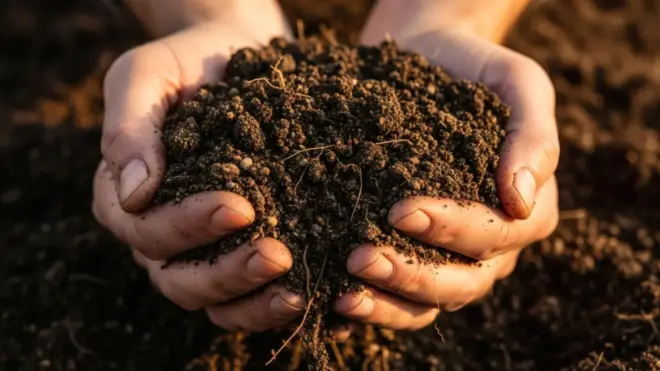
The trends for temperatures are relatively clear, while the modelled results for regional precipitation are subject to greater uncertainty. In practice, this means not betting on the assumption that it will definitely get drier or wetter, but instead utilising factors like soil water retention capacity, humus, topography, and investing in robust cultivation methods to protect against weather extremes. At the same time, short-term weather forecasts are improving, which helps with the timing of tillage, fertilisation, crop protection, and irrigation.
Which measures bring the greatest short-term success for a farm?
In practice, there are three measures to focus on. Firstly, improve the soil’s water retention capacity, through cover crops, mulch, and ground cover or by building humus. The most suitable measures for this depend on the location in question. Secondly, always take heavy rainfall into account, ensure functional drainage and runoff paths, and avoid soil compaction. Finally, spread the risk through more diverse crop rotations, including crops and varieties that are better adapted to the location, or consider crop failure insurance. If new crops are to be grown, consider marketing opportunities and profitability.
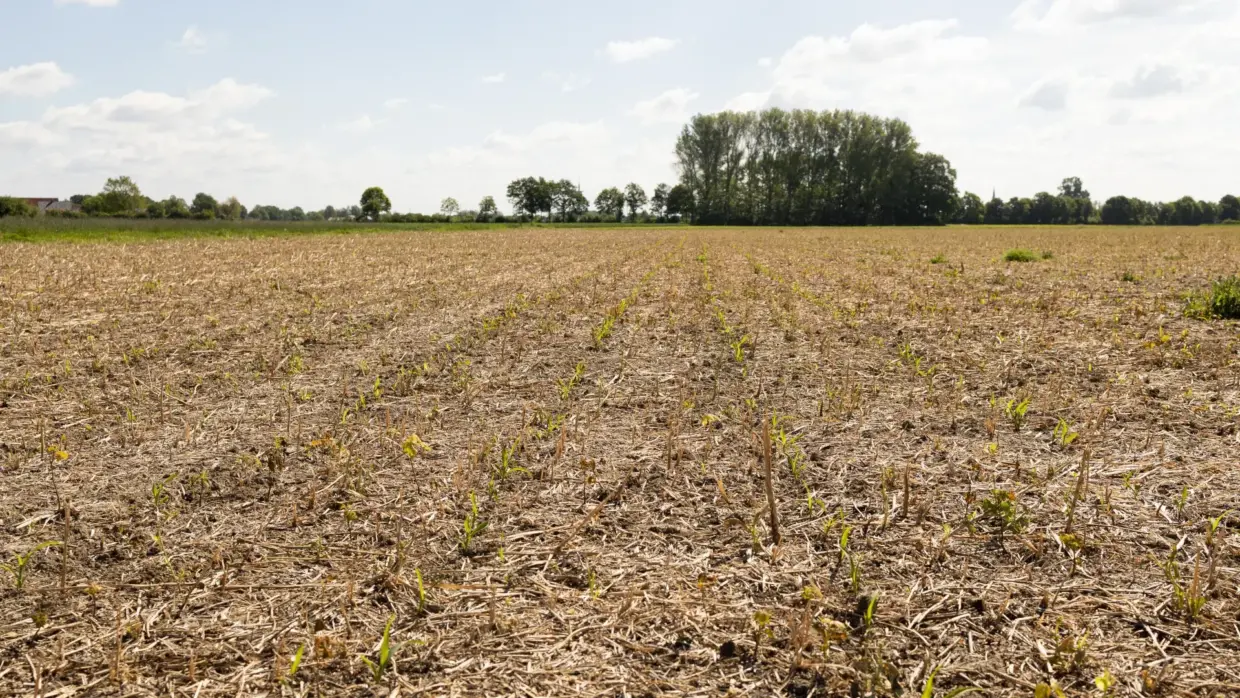
Cover crops or mulch provide soil cover …
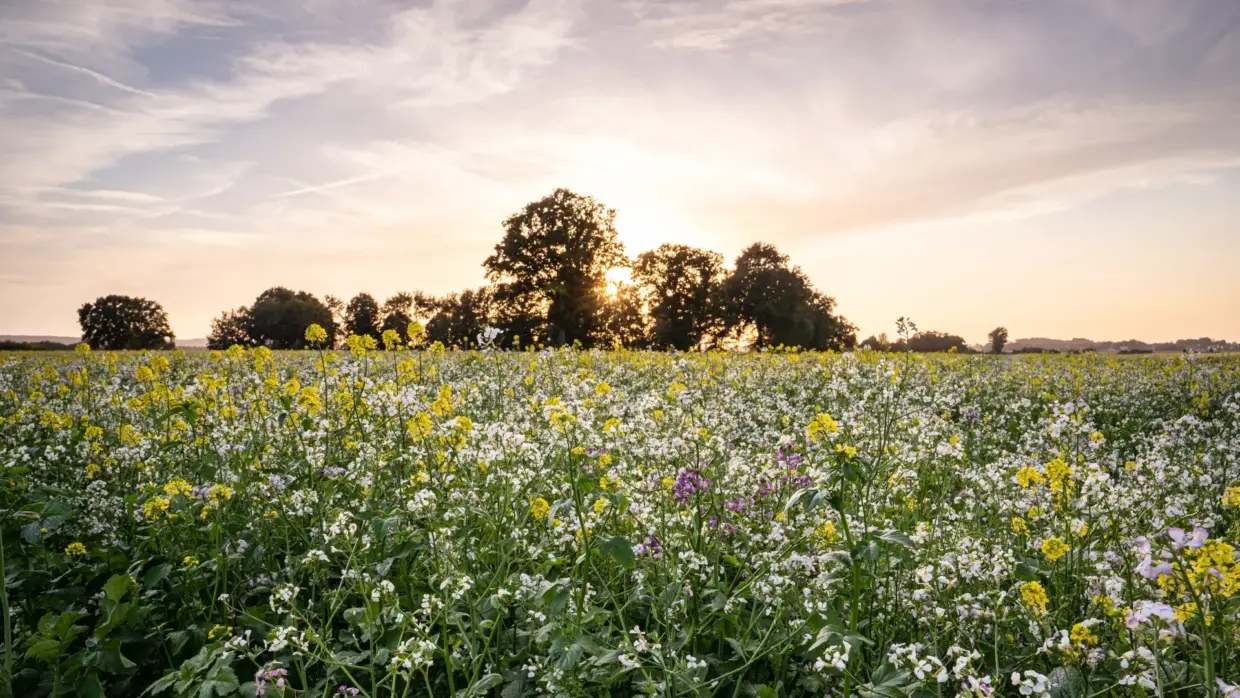
… and so increase water retention capacity
You work with model-based calculations and scenarios. What specific conclusions can farmers draw from these?
Model-based scenarios do not provide a precise forecast for individual farms, but they do show robust trends and typical risks, like major fluctuations in temperature and precipitation. Furthermore, it is important to look at the system as a whole. Crop failures have an impact on the farm through prices, trade, and input markets. The practical benefit is supporting decision-making by asking the question: what risks am I prepared to take? Where are investments in a more resilient system worthwhile, and where are predictions too uncertain to bet on?
Livestock farming plays a major role in climate protection within agriculture. In your view, what are the most important practices that can be implemented on farms?
A large proportion of greenhouse gas emissions from agriculture are directly or indirectly linked to livestock farming. At farm level, measures to improve animal health and feed efficiency, low emission slurry management, circular nutrient systems and precise crop management all help. Despite this, it will be difficult to significantly reduce emissions without decreasing livestock numbers across the board.
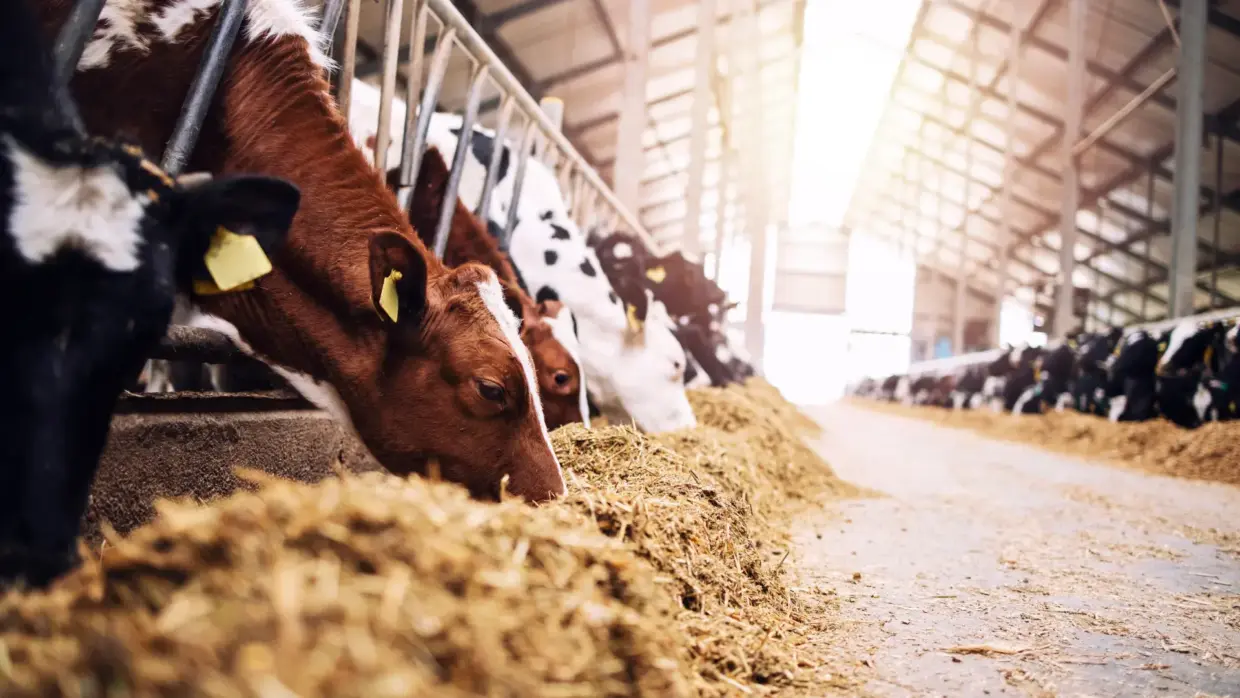
To minimise greenhouse gas emissions from livestock farming, action should be taken to improve animal health and feed efficiency.
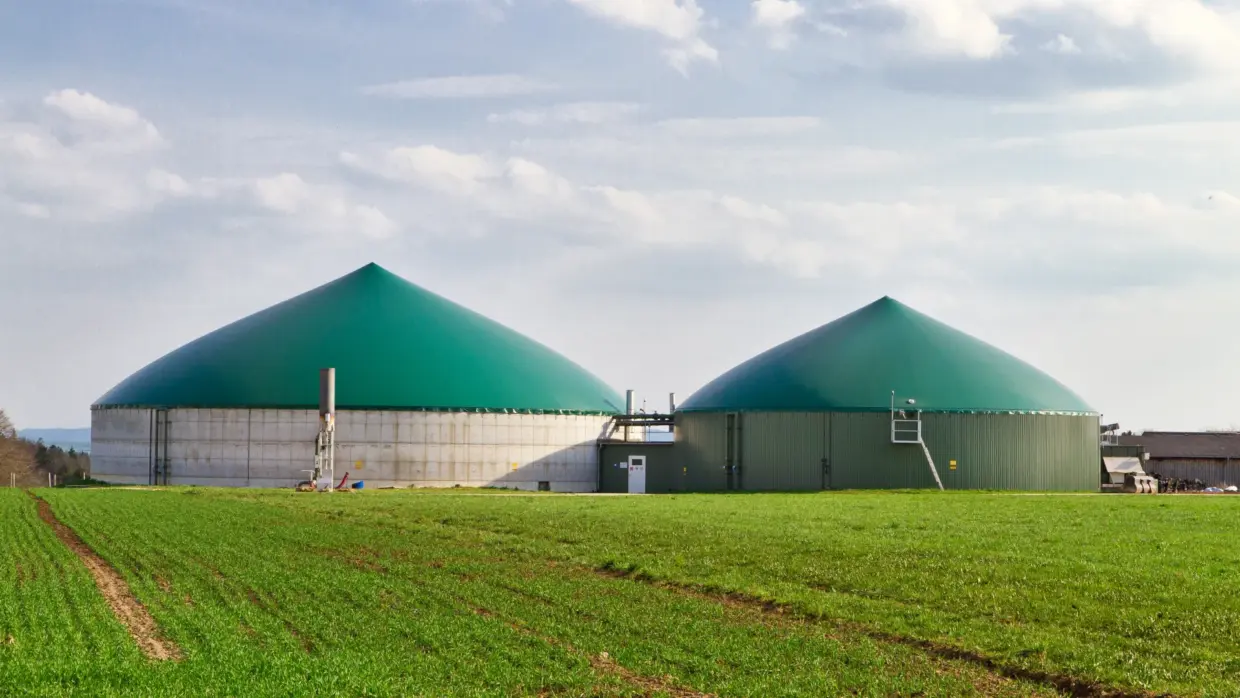
In addition, slurry lagoons should be covered, and …
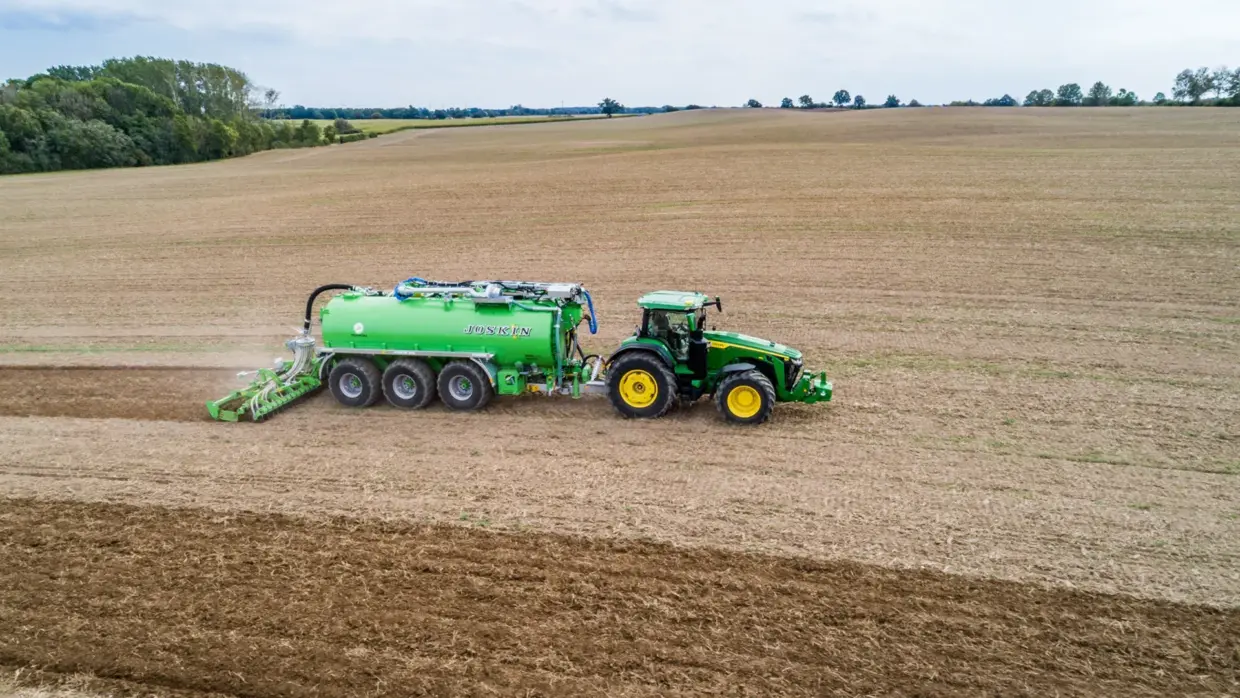
… slurry should be spread in a way that reduces emissions entering the atmosphere.
What is needed politically for farmers to invest in climate protection and adaptation without the rules constantly changing?
What matters is reliable policy, rather than target visions. This means clear, long-term incentives that reward emission reduction and risk prevention, while allowing businesses freedom of choice. This can be achieved through more targeted agricultural subsidies, performance-related bonuses, or forms of greenhouse gas emission pricing. Predictability is central to investment. If businesses do not know whether rules are being introduced or if they will disappear again, too few changes will be made.
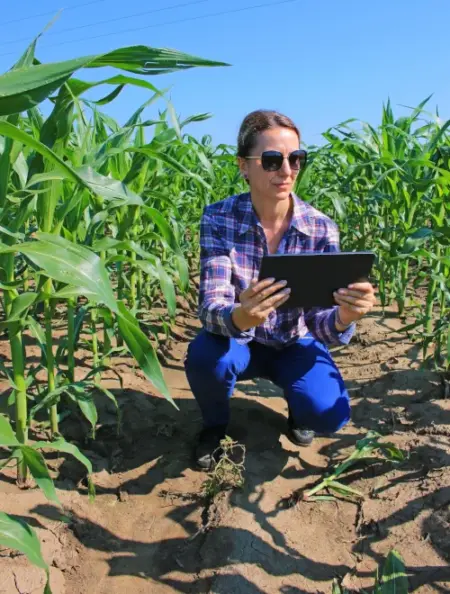
Where do digitalisation and precision farming deliver the fastest benefits today, especially regarding weather risks?
Digitalisation is most beneficial where it improves management measures and saves operating resources, like precise fertilisation, sensor-supported irrigation, yield and soil maps, as well as better documentation and evaluation after extreme years. This allows bottlenecks like soil compaction, waterlogging, or drought stress to be identified quickly and specific remedial action to be planned.
What is your most important piece of advice for young farmers looking ahead at the next 25 years?
Firstly, spread risks through more diverse crop rotations, a stable soil structure, and the selection of suitable varieties and crop types. Secondly, treat water and soil as ’insurance’ and avoid soil compaction, ensure water retention and erosion control, and manage drainage where necessary. Thirdly, utilise data and remain willing to learn by setting up small trials to test new methods and crops. With any new crops, marketing should be considered at an early stage.