It’s getting wet
The Earth’s total annual precipitation is equivalent to approximately
circa
0
cubic kilometres
of water falling across all oceans and land areas.
That is around
0
quadrillion litres of water
This water is continually redistributed through evaporation, precipitation and runoff.
Source: USGS – The Water Cycle
Where does the water fall?
Most water falls into the sea, but the sea also supplies rain.
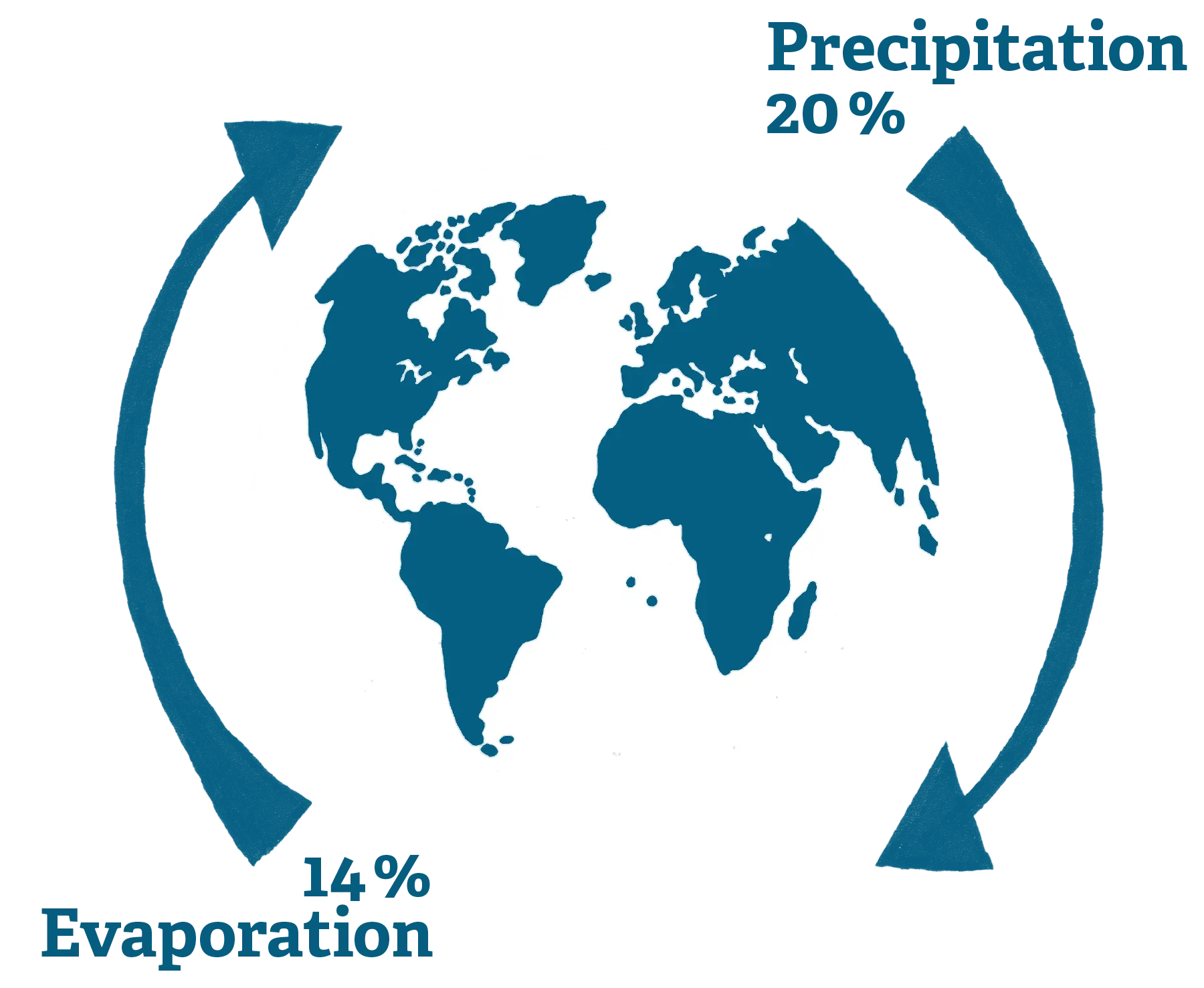
Rain falls on the
continents
Rain falls into the
oceans
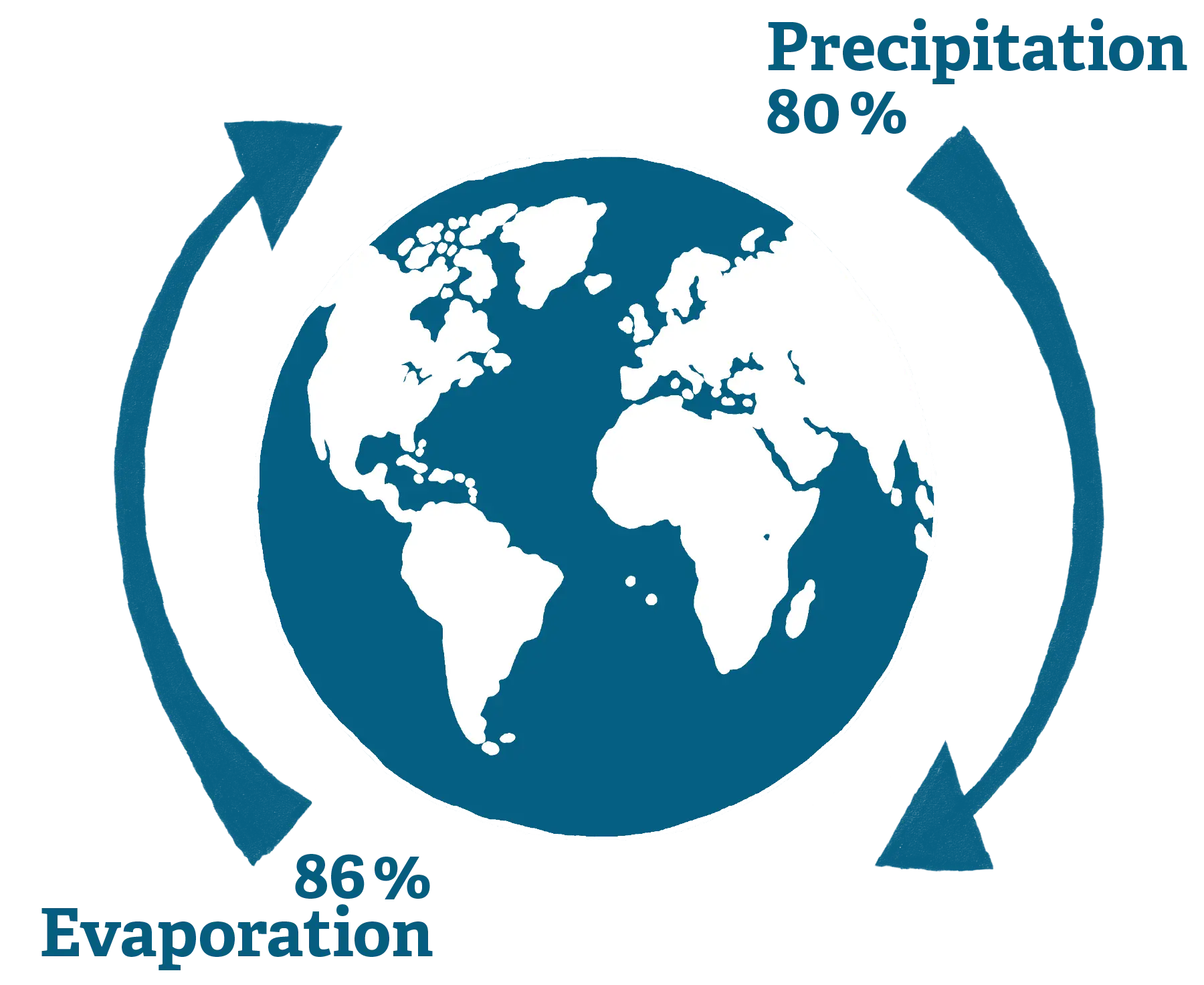
Around
86%
of global evaporation occurs over the oceans. Some of this water vapour is transported over land through the atmosphere, where it falls as precipitation.
Source: USGS – The Water Cycle
How much is 1mm of rain?
1mm of rain
=
11 litre of water
per square metre.
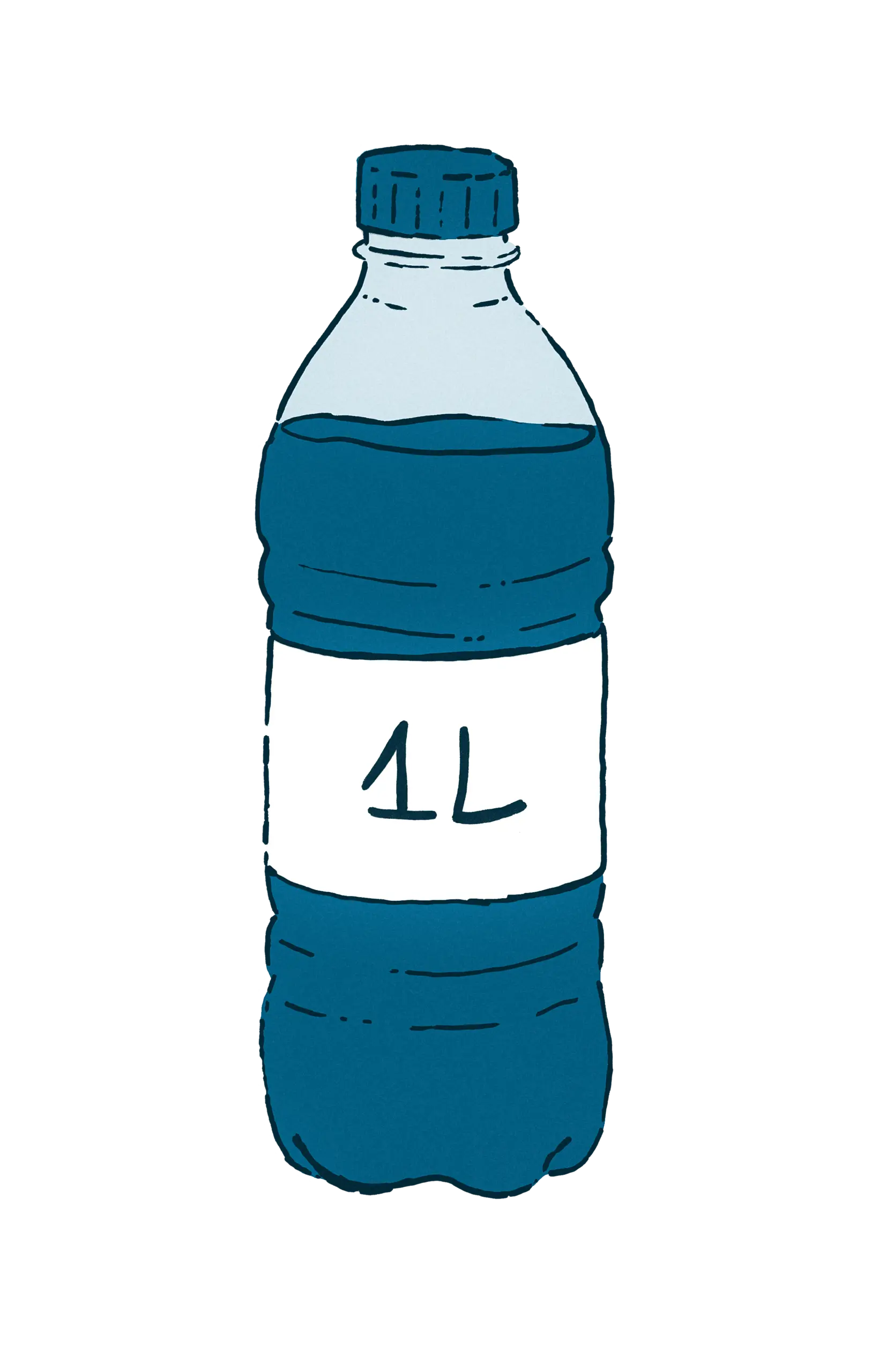
1,000,000 litres of water
over 100ha.


Gaseus
Water vapour remains for up to
0 days
in the atmosphere before turning into rain.
Source: NASA Earth Observatory – The Water Cycle
A raindrop is a giant among cloud droplets
While a typical cloud droplet is only around 20 micrometres in diameter, raindrops can reach several millimetres. For the tiny, suspended droplets to become rain, they must grow within the cloud and merge through collisions.

A long way down

500m
from rain clouds
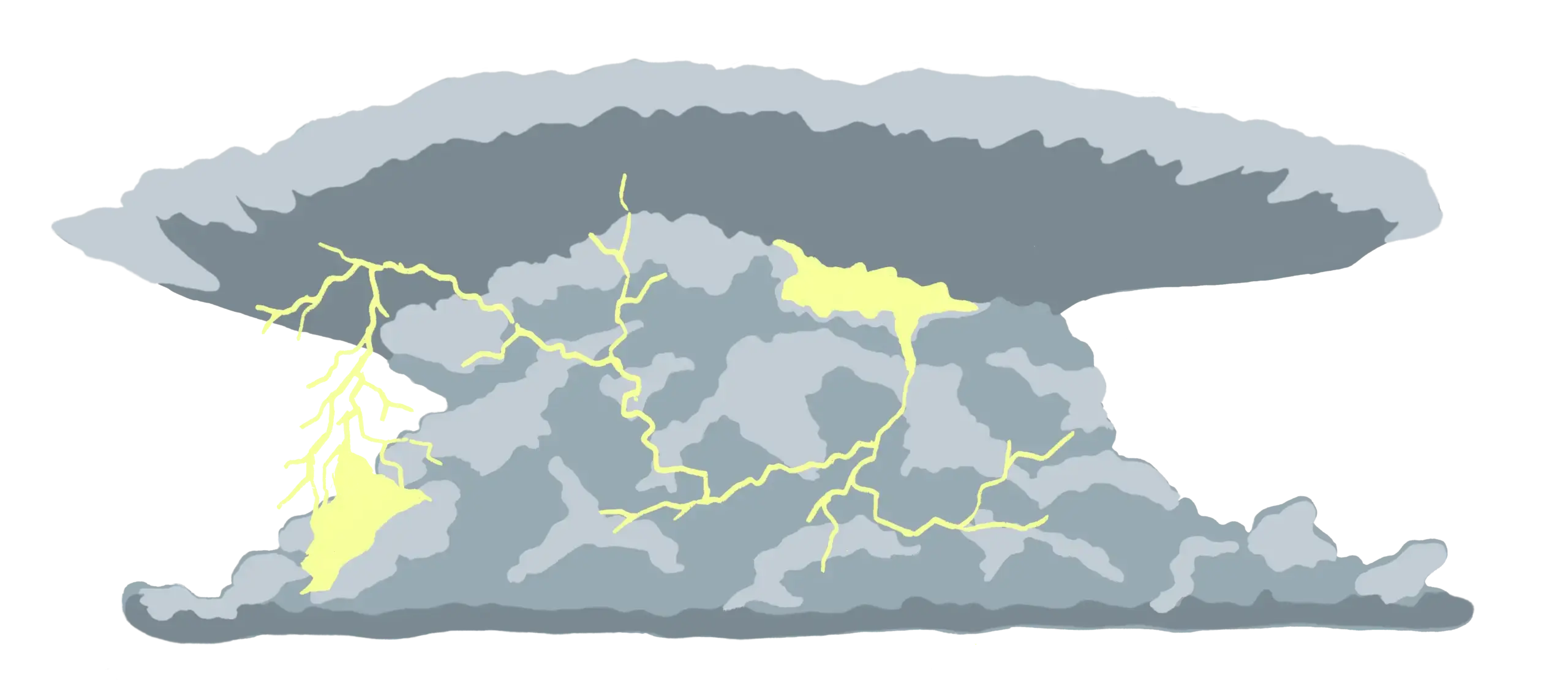
15km
from thunderclouds
Before a raindrop reaches a field, it has fallen at least 500m and not more than 15km
Source: World Meteorological Oranization (WMO)
Speed
approx 30km/h
is the falling speed.
That is
8–10m
per second, meaning that from a height of 2,000m, the fall takes around four minutes.
Source: NASA Mission Measuring Rainfall
Shape
In reality, a raindrop does not look like a teardrop. As it falls, air resistance flattens its underside – almost like a tiny bread roll. A large raindrop in heavy rain can resemble a parachute.

1–2mm
drizzle

2–5mm
light to moderate rain

5–7mm
heavy rain

7–9mm
very heavy rain
Steady rain
Slow, steady rain is considered particularly valuable in agriculture because the water can seep deep into the soil instead of running off at the surface. This provides a lasting supply of water for plants, soil life and groundwater.

Soil cover
Cover crops and crop residues intercept raindrops before they strike the soil with full force. This protects soil aggregates from breaking down and reduces erosion and surface crusting. The protective cover also slows evaporation.
Source: NRCS – Soil Health
Soil
Soil is a natural water reservoir. Every soil has a sequence of layers that store water to varying degrees.
Topsoil
Depth: 5–40cm
humus and minerals
Subsoil
Depth: 50–150cm
weathered rock and substances leached from the topsoil
Groundwater
Some raindrops seep only a few metres into the ground, while others travel through soil layers for decades before being stored as groundwater.
The right amount for every crop
When rain fails, fields suffer from drought. When it is too heavy, it washes away nutrients and damages soil structure. The ideal amount of rainfall depends on the crop, its growth stage, the soil type, temperature, evaporation and the time of year.
From water-efficient to water-intensive crops
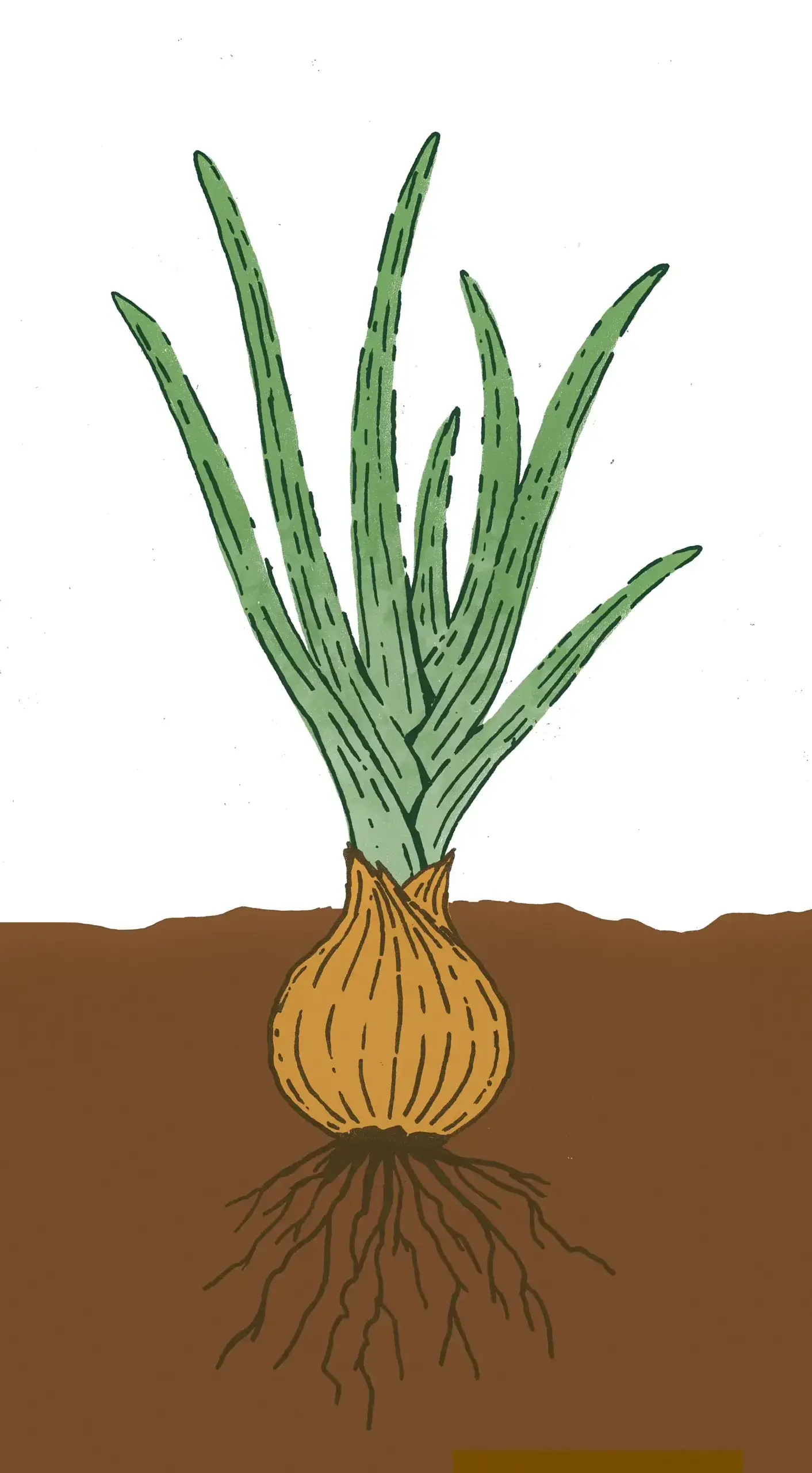
Onions
Seasonal water requirement:
500–700mm
Characteristics:
Their water requirement is surprisingly low, although their shallow root system makes onions sensitive to water shortages and means they need a consistent water supply.
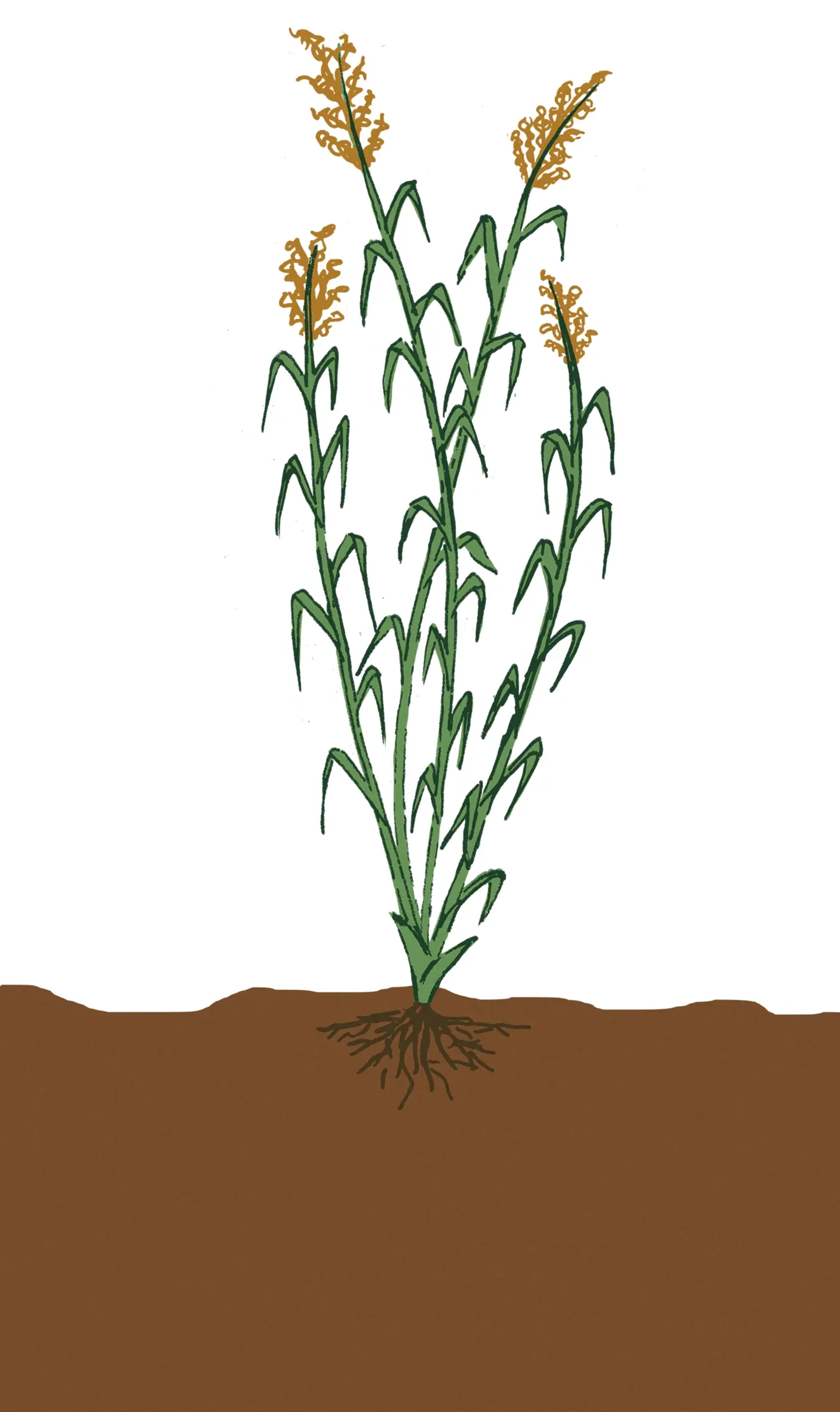
Sorghum / millet
Seasonal water requirement:
450–650mm
Characteristics:
Highly drought-tolerant.
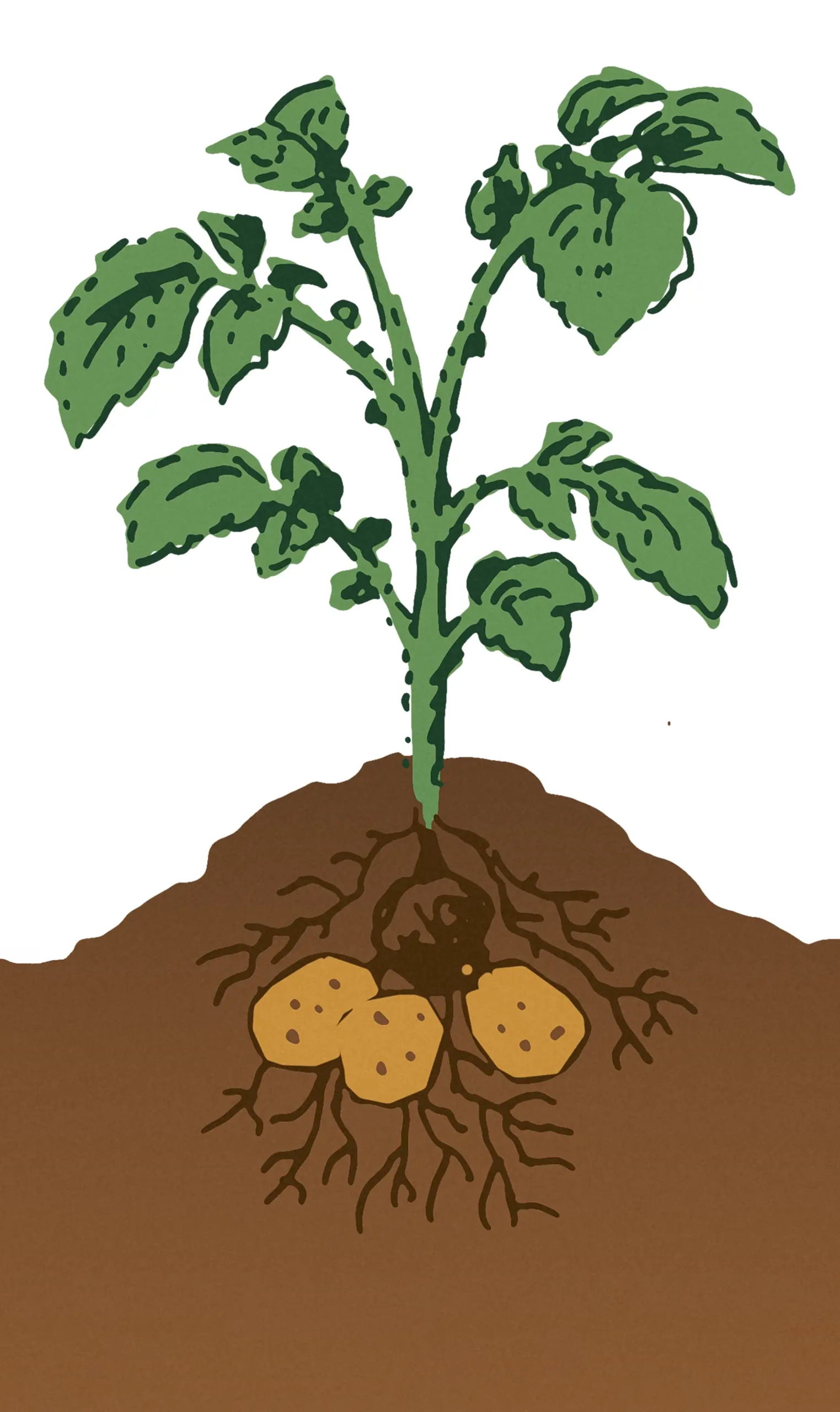
Potatoes
Seasonal water requirement:
500–700mm
Characteristics:
Particularly sensitive to water shortages during tuber formation and growth.
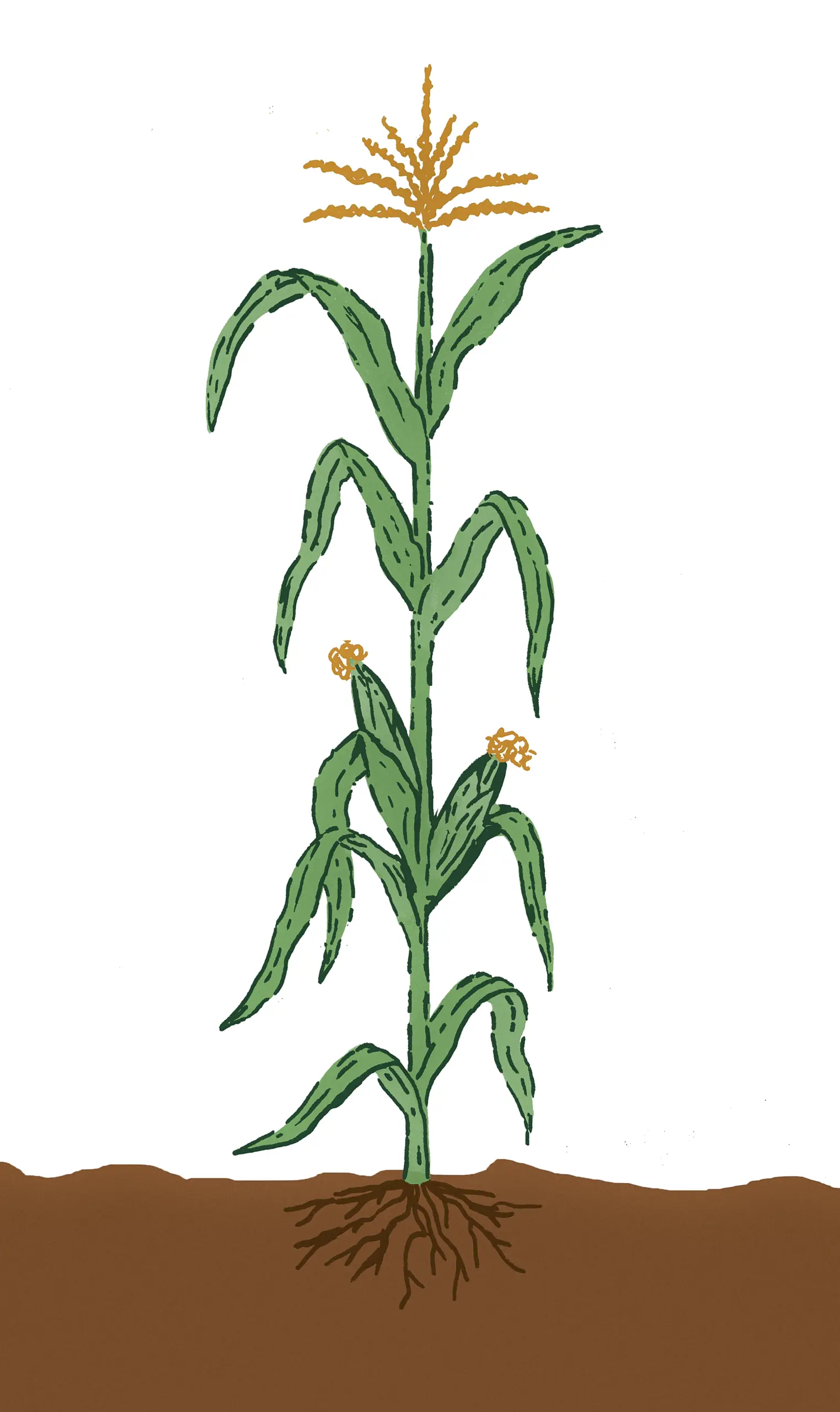
Maize
Seasonal water requirement:
500–800mm
Characteristics:
The critical period is around flowering and grain formation. Drought stress at this stage can have a particularly severe impact on yield.
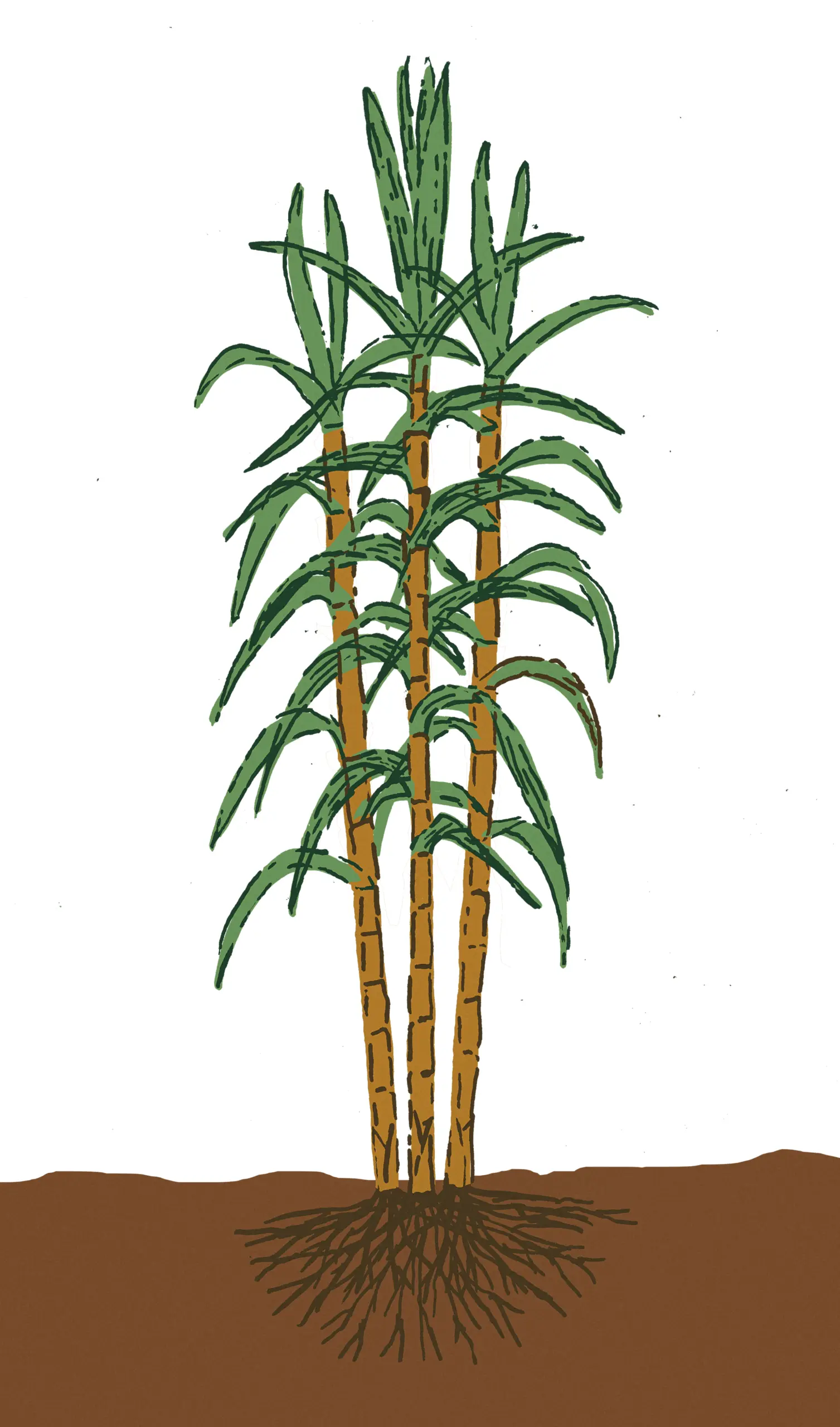
Sugar cane
Seasonal water requirement:
1,500–1,700mm
Characteristics:
The long growing season and enormous biomass production result in a correspondingly high water requirement.
Source: FAO-Datenbank Crop Water Information
Which are the wettest and driest places in the world?
Wettest place
Driest place
Mawsynram in India
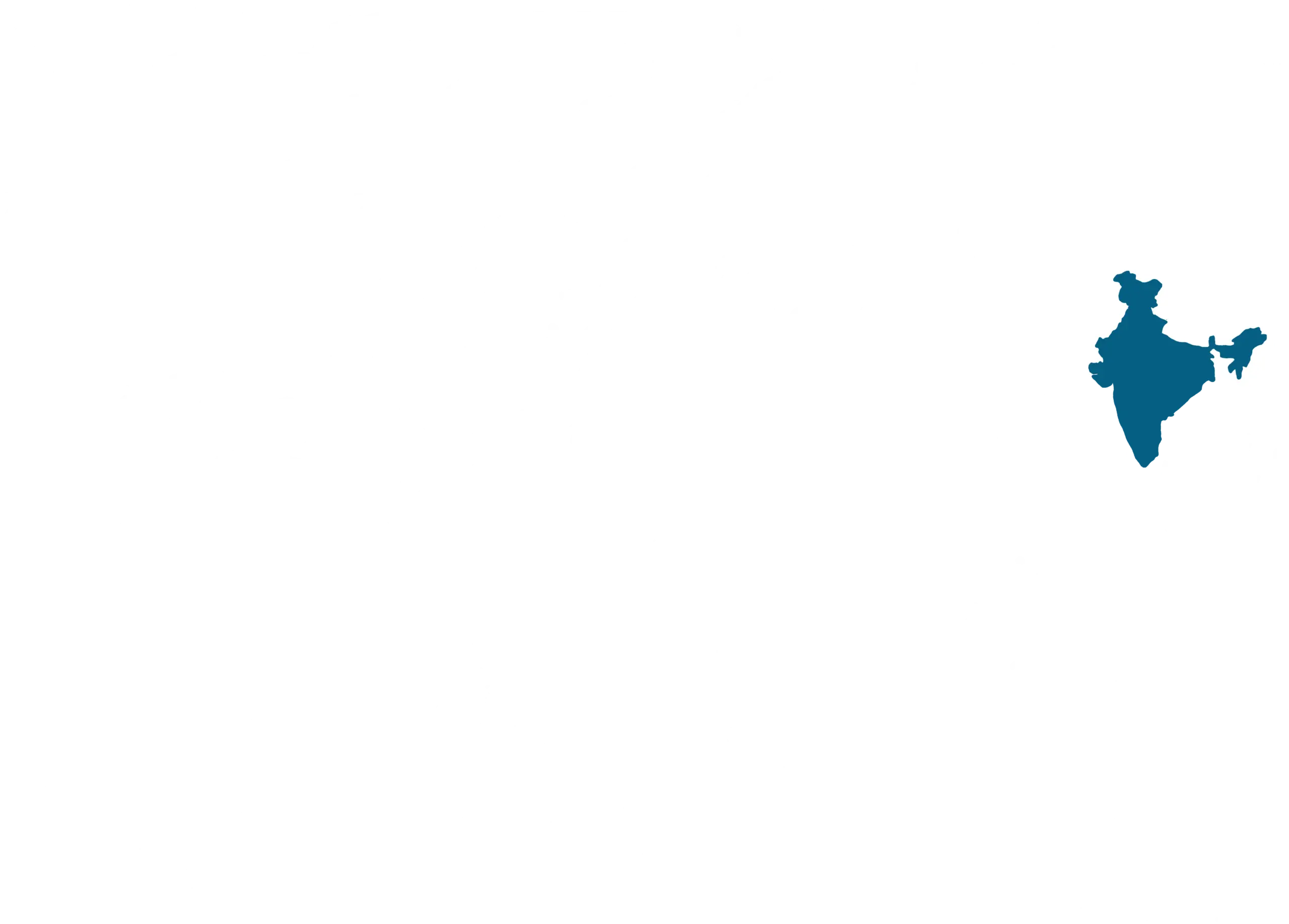
11,870mm
rainfall per year
In Mawsynram, the long-term average rainfall is around 11,870 litres per square metre.
This is due to its location: Moist monsoon air from the Bay of Bengal meets the Khasi Hills, rises, cools and releases its moisture as rain.
Atacama Desert in Chile
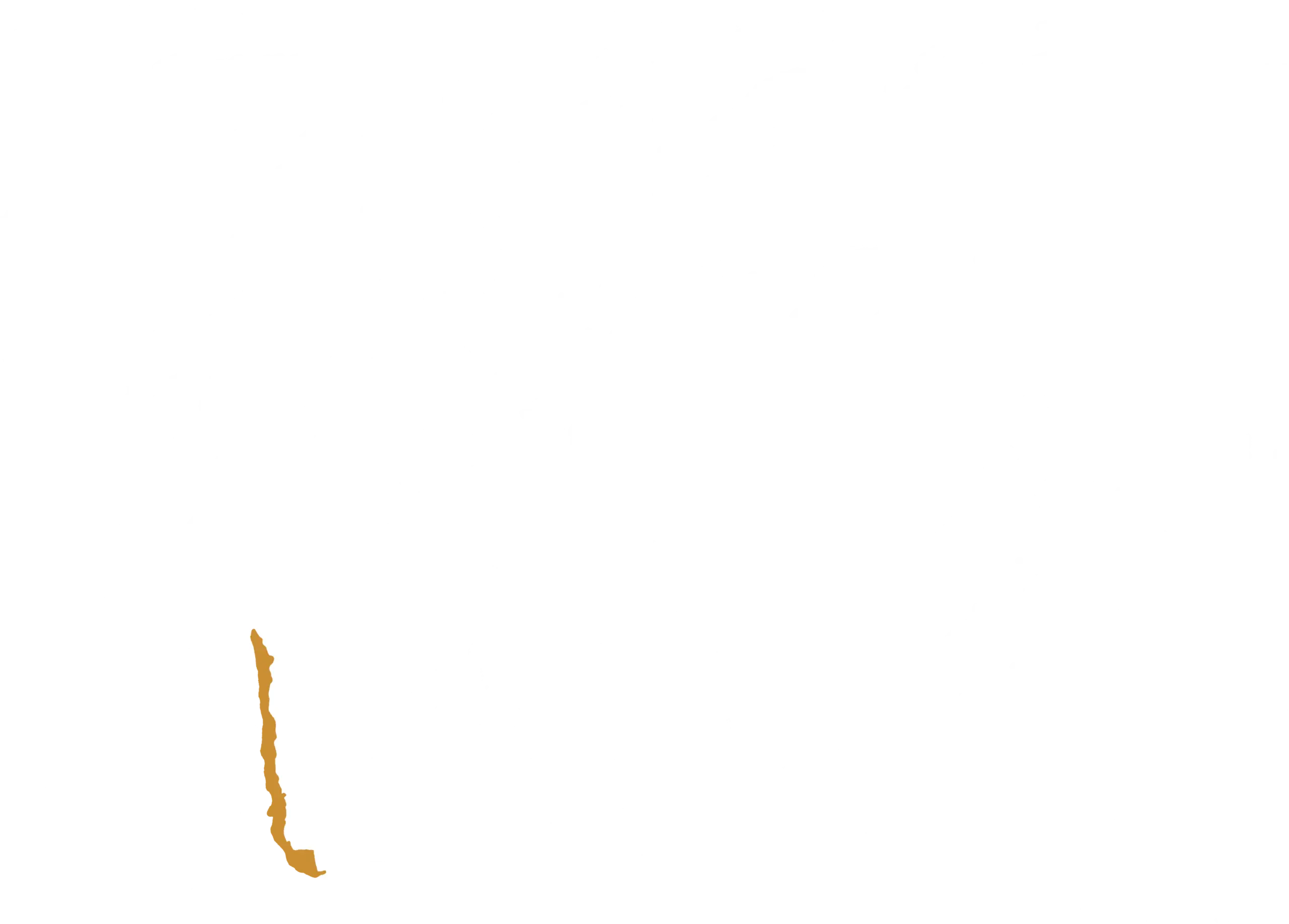
1–3mm
rainfall per year
In parts of the Atacama Desert, long-term average annual rainfall is between 1 and 3mm.
Source: NASA Earth Observatory