Round balers are crucial during harvest: Short time windows require fast and reliable work. Farmers must always keep operating costs in mind to work economically and sustainably. A round baler is therefore not simply a seasonal product; it’s a machine that matters enormously within a short period of time. This understanding shapes how they are built at the Arc-lès-Gray factory. This is where the M and R Series are produced, with fixed or variable chambers, as well as combi baler models with an integrated wrapper.
Explore the baler production
Almost 80% of the balers are delivered before mid-April, with the main production period running from November to March. Top quality, precision and extensive testing ensure reliable performance in the field.
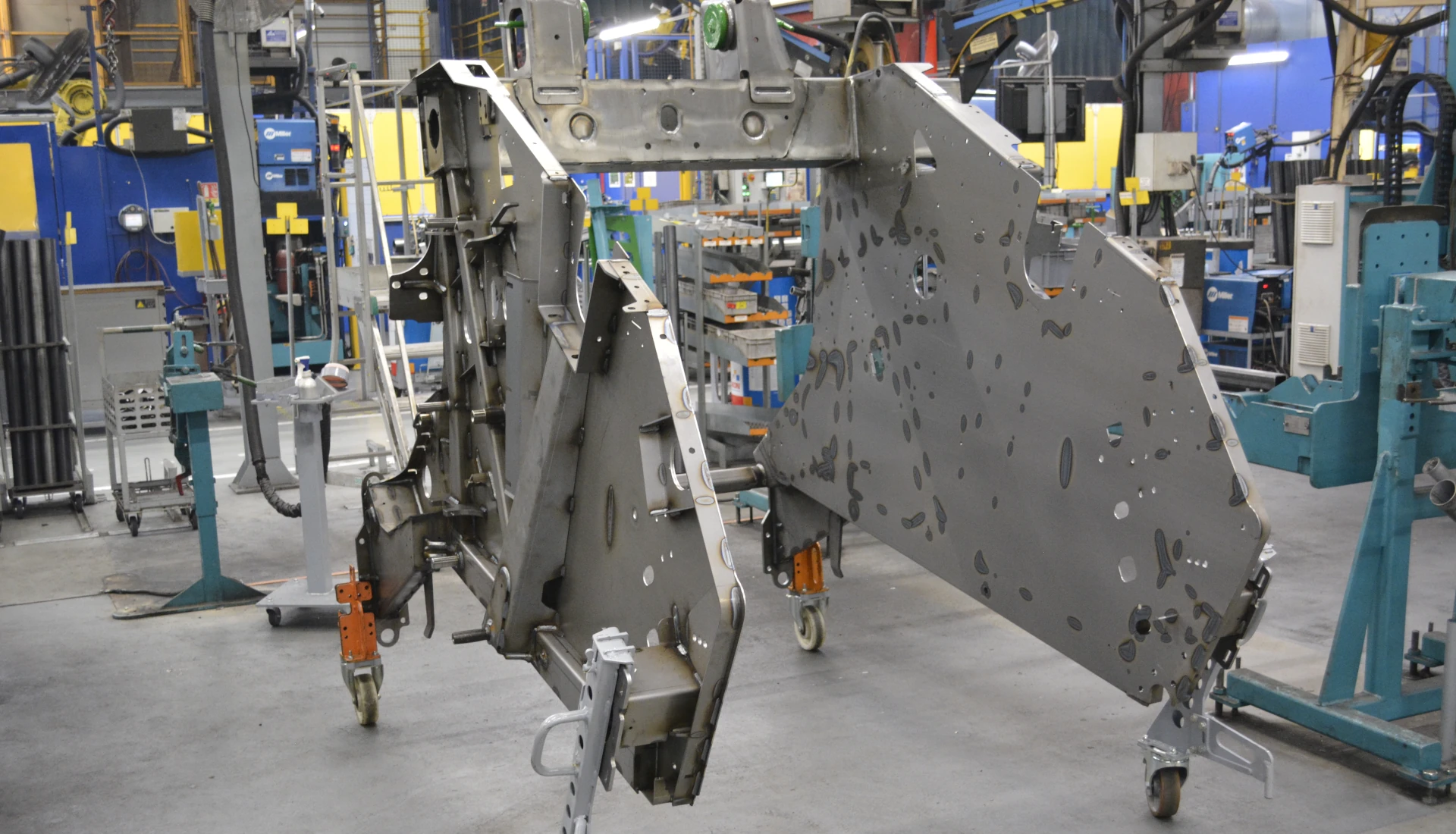
Hours of welding
After the metal parts have been cut and bent, the next step is welding. The frame is the largest component of a round baler and takes a great deal of time to weld.
Did you know?
How long does it take to weld the combination baler frame?
Resolution:
Welding the baler’s largest component takes a full working day – after all, every weld seam must meet the highest quality standards.
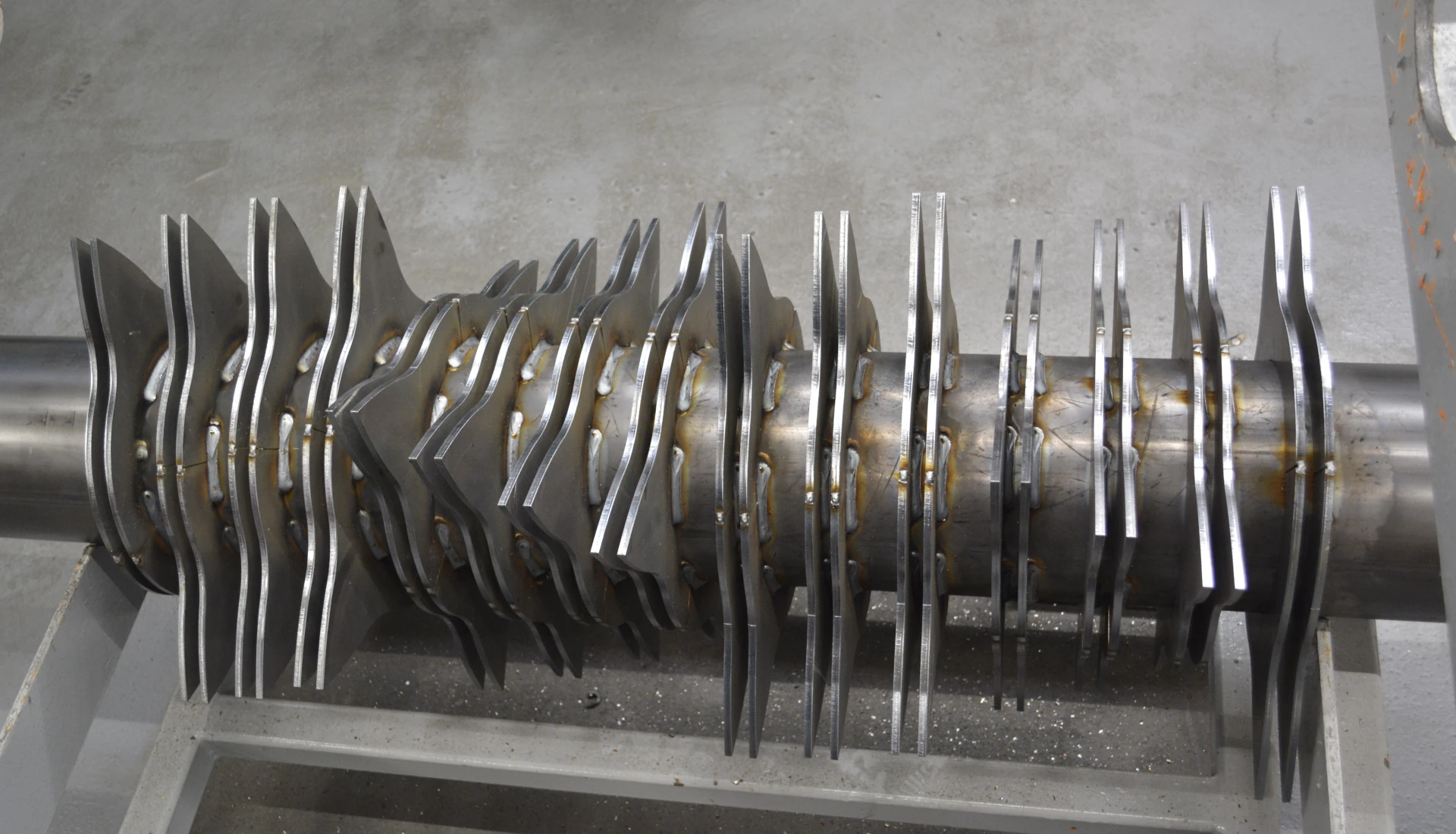
Into the bale chamber
The rotor moves the crop into the bale chamber. Depending on the model and the baler’s forage length of cut, the rotor has more or fewer rotor tines. To prepare the rotor perfectly for demanding use, the tines are welded by an automated robot. This ensures that every weld seam is the same and reliably strong.
Did you know?
Why do different models have different numbers of rotor tines?
Resolution:
The number of rotor tines depends on how long the forage should be cut. Lower length of cut means more rotor tines.
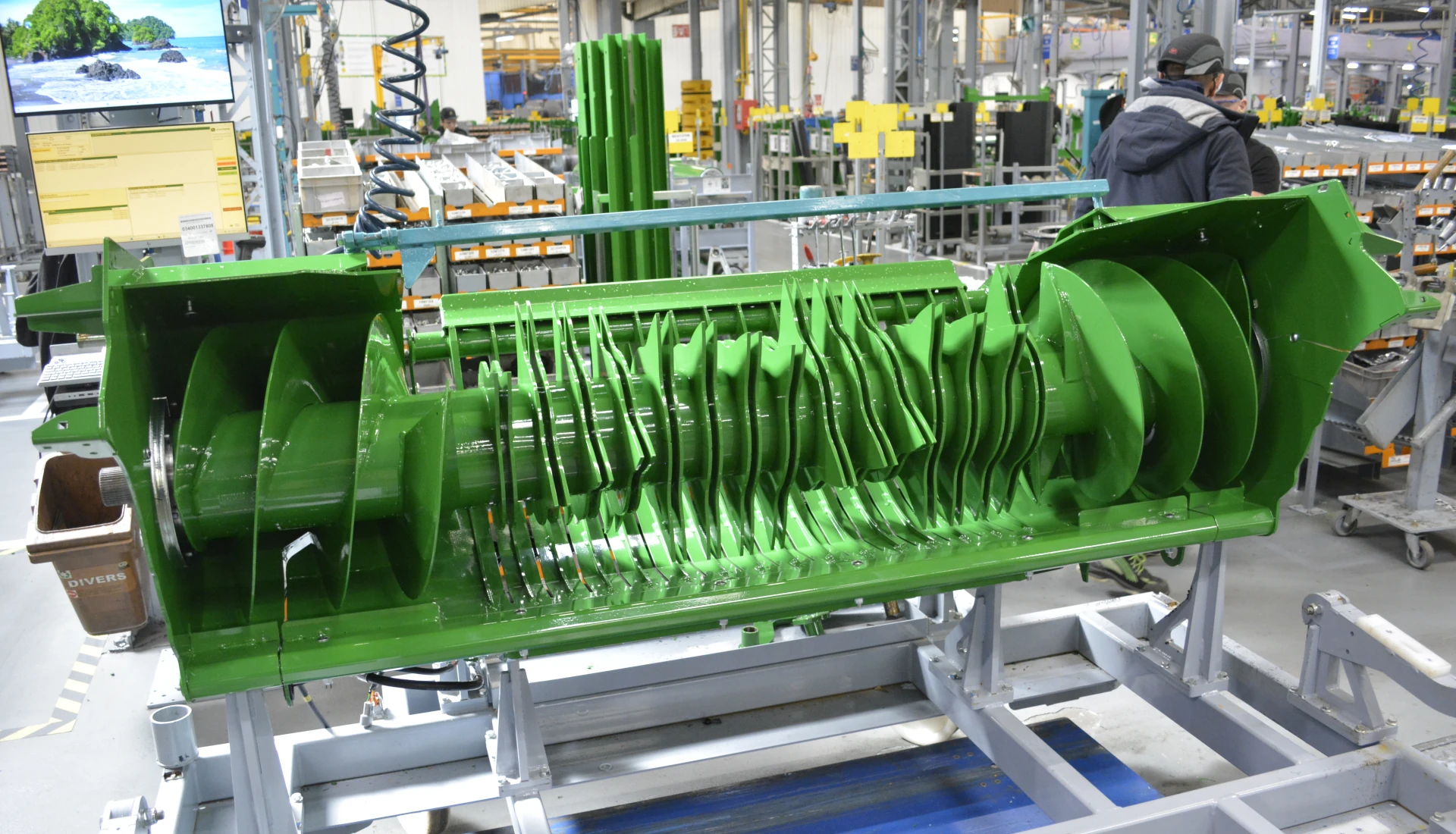
Now assembly begins
After welding and painting, the components are brought to final assembly and fitted together. Here you can see the rotor, with augers welded to the sides. Beneath it, the pickup will be installed; its tines collect the windrow from the field.
Did you know?
What do the pickup and rotor do in the baler?
Resolution:
The pickup; the rotating row of tines, collects the crop from the field. The rotor draws it in and feeds it smoothly into the bale chamber so that the chamber can work evenly.
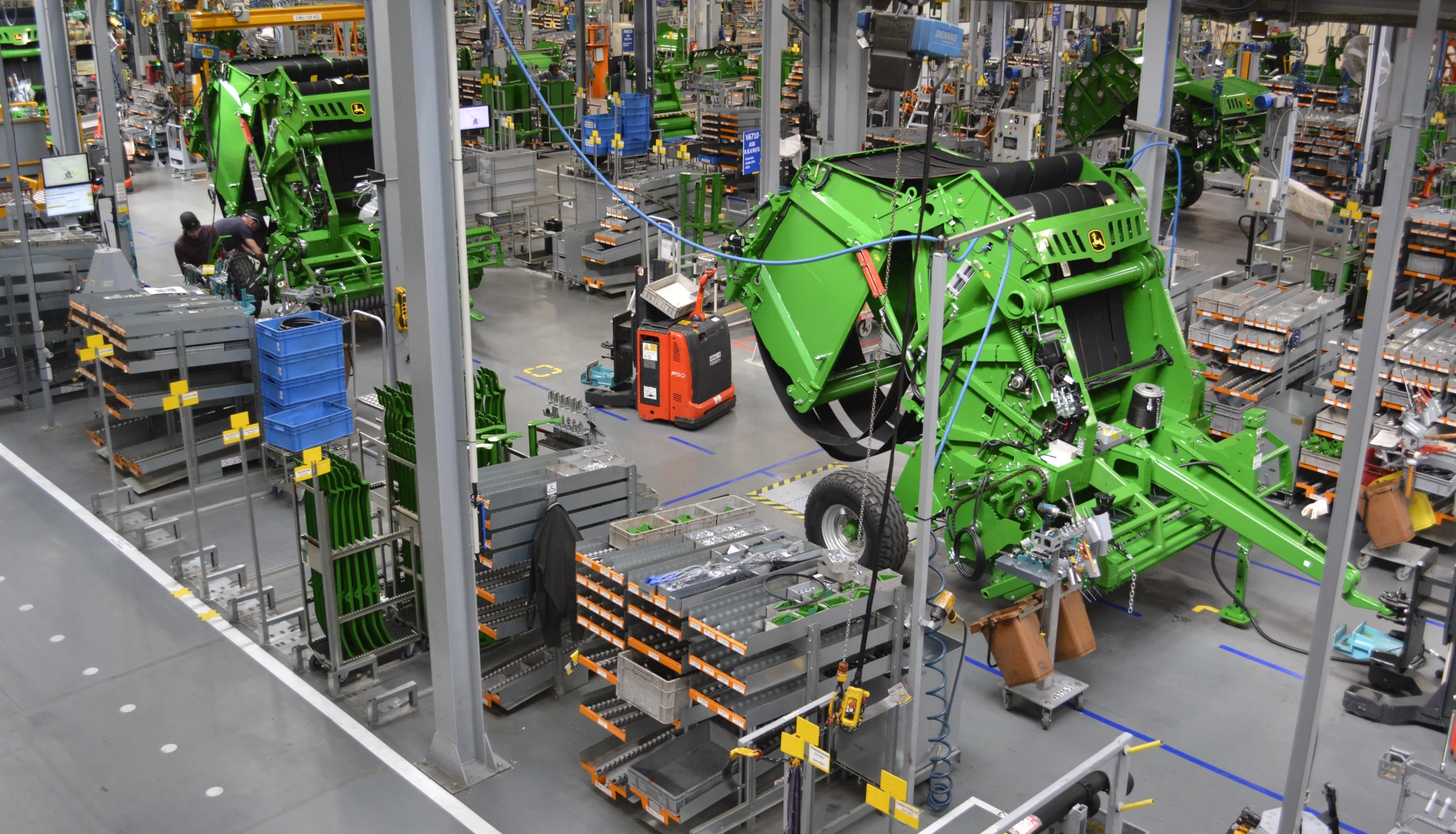
Four production lines
Arc-lès-Gray has four production lines: One for fixed-chamber balers, one for the R Series with variable chamber, one for the M Series with variable chamber, and one for balers with wrapping functionality. For the latter, the respective balers are taken off the end of the production line and moved to the wrapper line.

The final test
At the end of the production line, every baler is thoroughly tested at a test station for almost two hours. During this process, the baler must meet defined standard values before it is allowed to leave the factory.
Did you know?
What is checked on all balers at the end of production?
Resolution:
All balers must pass tests of their hydraulics, electronics and temperature behaviour to ensure there is no overheating.
Perfectly wrapped
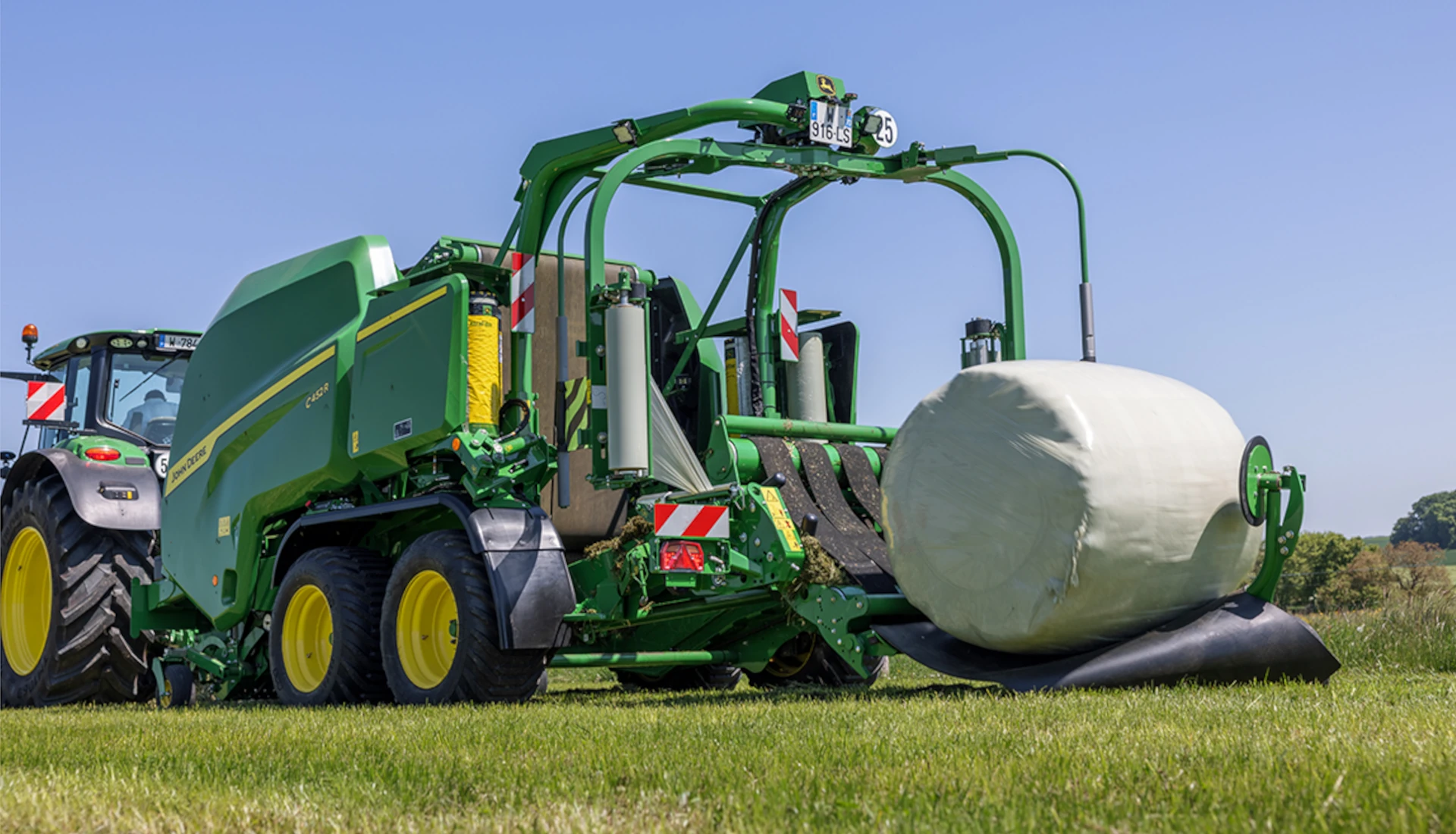
On combination balers, the wrapper is also tested because wrapping is a complex process: The wrapping table rotates the bale, the wrapping arms apply the film in several layers, and the knife cuts it off precisely. In addition to speed, it is important that the wrapping process is perfectly synchronised so that the next bale can be processed immediately.
Did you know?
John Deere’s wrapper is among the fastest on the market. How many revolutions per minute does the wrapper make?
Resolution:
The wrapper rotates at a full 40 revolutions per minute. Maximum speed for more bales in less time.
Explore the Arc-lès-Gray plant
At Arc-Lès-Gray, John Deere builds far more than just machines. Although the factory turns out round balers, front loaders and key components for other Deere sites, the focus is clearly on quality, teamwork and constant improvement. Factory manager Jean-Michel Petit explains how this mindset helps create reliable equipment for their customers.
Making work easier
In addition to the tests at the end of production, accelerated lifetime tests, field tests and software tests are carried out at Arc-lès-Gray. The latter in particular are playing an increasingly important role, because modern round balers collect data themselves and work intelligently with the John Deere tractor. With Tractor Baler Automation (TBA), for example, the baler commands the tractor to stop when the bale is finished, and the tractor hydraulics open and close the gate to unload the bale automatically. Precision farming functions like these make farmers’ work easier: Fewer manual interventions, consistent operating speed and full control over bale quality.
Data also creates greater transparency and predictability. With Smart Baling, the baler records moisture, bale count, drop location and the number of net and film layers. Combined with machine and consumption data, this provides an accurate picture of productivity and total cost of operation. Farms can rely on a clean data basis.