
 Loading...
Climate-neutral, emission-free agriculture? It’s a compelling vision, but, as the saying goes, ’you can’t make an omelette without breaking eggs. “Agricultural production is based on biological processes in animals and in the soil, which can never be free of greenhouse gas emissions”, says Helmut Döhler, agronomist and author, who spent decades at KTBL and has been working as a consultant, researcher, and system developer since 2014.
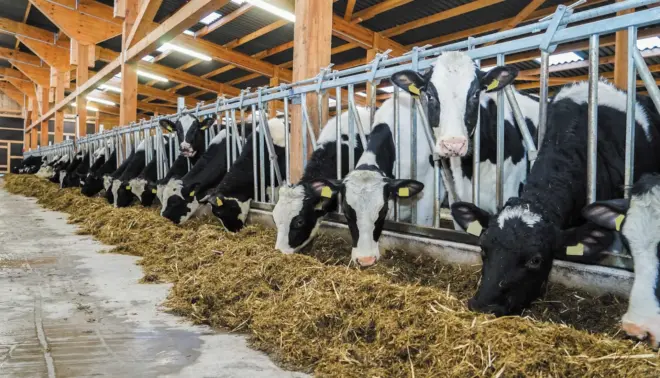
Take the cow, for example. Critics often portray cattle as climate killers because of their methane emissions. But this view is too simplistic since all the greenhouse gases emitted by cows are based on their feed, which in turn comes from plants that have grown through photosynthesis using carbon dioxide from the atmosphere. These emissions are therefore biogenic, especially since, according to current scientific knowledge, this methane breaks down naturally again after about 12 years.
This narrow focus on methane emissions also overlooks the significant biological achievements cow provide in converting grass, which humans cannot digest, into high-quality foodstuff like milk. Cows are metabolic powerhouse with immense benefits for humans worldwide.
Still, these positive aspects should not distract from the need to make cattle farming, and dairy farming in particular, more climate friendly. As always, there is not just one single solution but rather a suite of approaches at various levels that can shrink the carbon footprint of meat and dairy production.
Where are the hidden savings potentials?
Agricultural expert Helmut Döhler emphasises one aspect in particular in that the animal species, in his view, with the highest emissions deserve closer scrutiny. The aim is not to argue for eliminating cattle farming, but to determine scientifically which breeds perform best from a climate perspective. He favours multi-purpose breeds over highly specialised, dairy breeds because he believes they offer advantages in overall emissions balance.
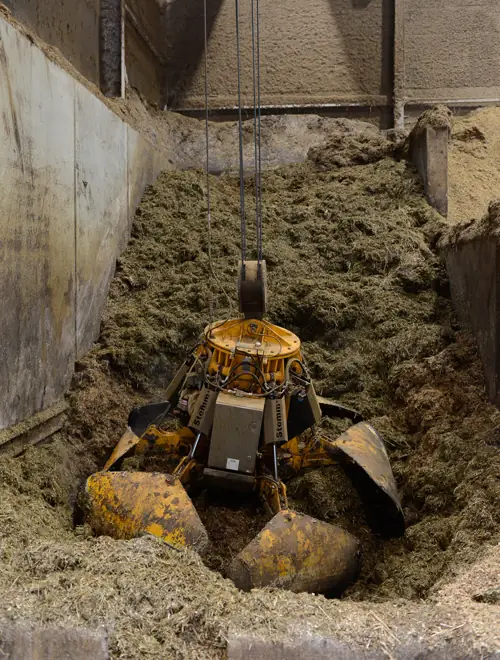
Additional reduction potential lies in ensiling, feeding, barn design, and slurry storage. These are key topics at the Milk Sustainability Center, founded by DeLaval and John Deer, which focuses on improving efficiency, sustainability, and ultimately an optimised carbon footprint.
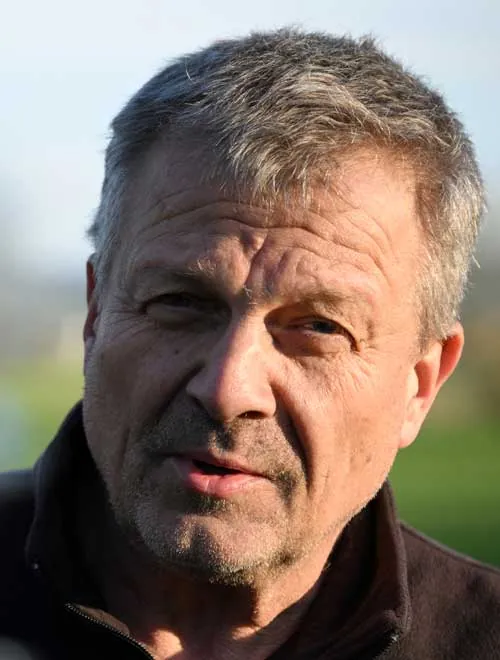
Agricultural production is based on biological processes in animals and in the soil, which can never be completely free of climate gas emissions.
Helmut Döhler, Argricultural Expert
There is still much to be done: according to the Federal Environment Agency, German agriculture still emits around 62 million tonnes of carbon dioxide equivalents per year in the form of carbon dioxide, methane, and nitrous oxide into the atmosphere, which corresponds to approximately 9.6 per cent of Germany’s total emissions. If land use changes are included, such as the draining of peatlands, the figure is as high as 100m tonnes, which accounts for around 14 per cent of total greenhouse gas emissions.

Climate-neutral on paper
Organic farming also offers promising opportunities. Compared with conventional agriculture, it emits only around half of the relevant greenhouse gases per hectare. “However, as the yields in organic farming are significantly lowerthe greenhouse gas balance of the respective products is ultimately similar,” explains Helmut.
Still, he estimates that a broader shift to organic production could reduce CO2 emissions by around one million tonnes if expanded accordingly, mainly by avoiding synthetic fertilisers, which require substantial energy to produce, and through higher humus content that stores more carbon. There are also major benefits for biodiversity.
Yet, despite these options, emission-free agriculture is hardly achievable at the present time. “In order to make agriculture climate-neutral, at least arithmetically, we need to offset unavoidable emissions. We can do this best by providing renewable energy,” says Helmut.
“Besides wind and hydropower as well as photovoltaic systems for generating electricity and hydrogen, we have a wide range of options for producing biogas for flexible, demand-based electricity feed-in as well as for producing biofuels and supplying rural areas with green heat.” In addition, oil crops also contribute to renewable fuel options.
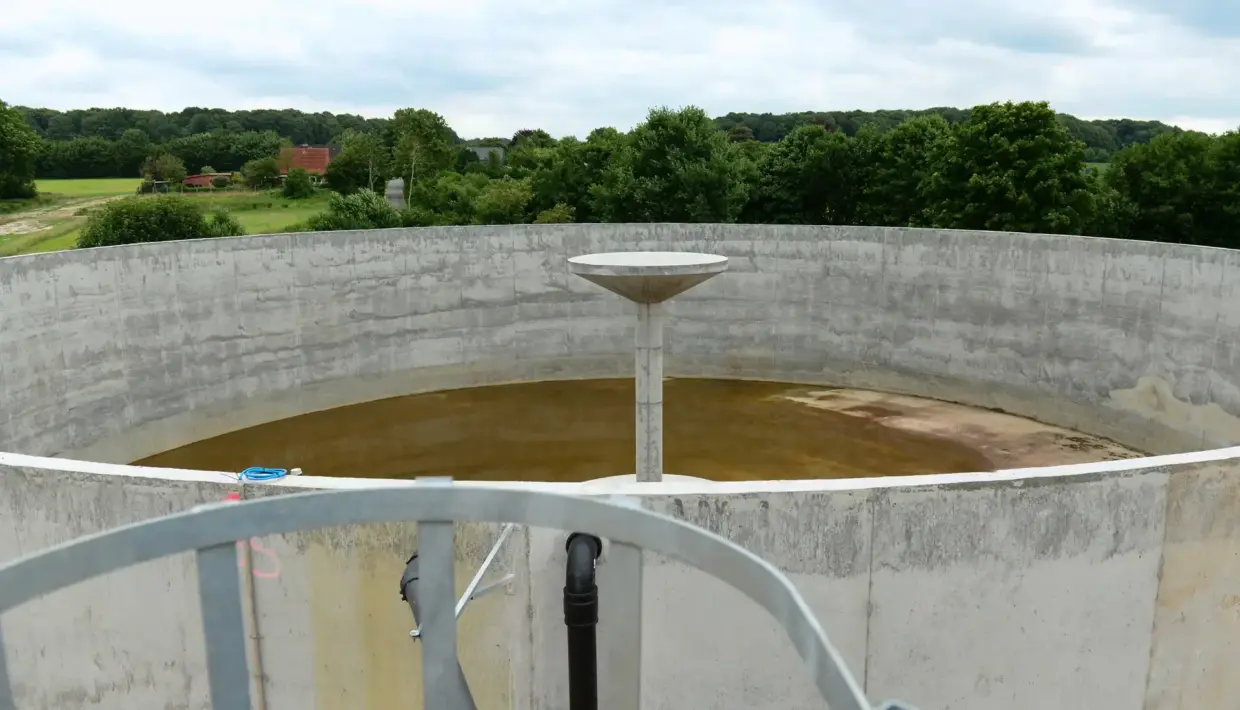
Utilizing manure: Many livestock farms already operate on-site biogas plants using only residual materials.
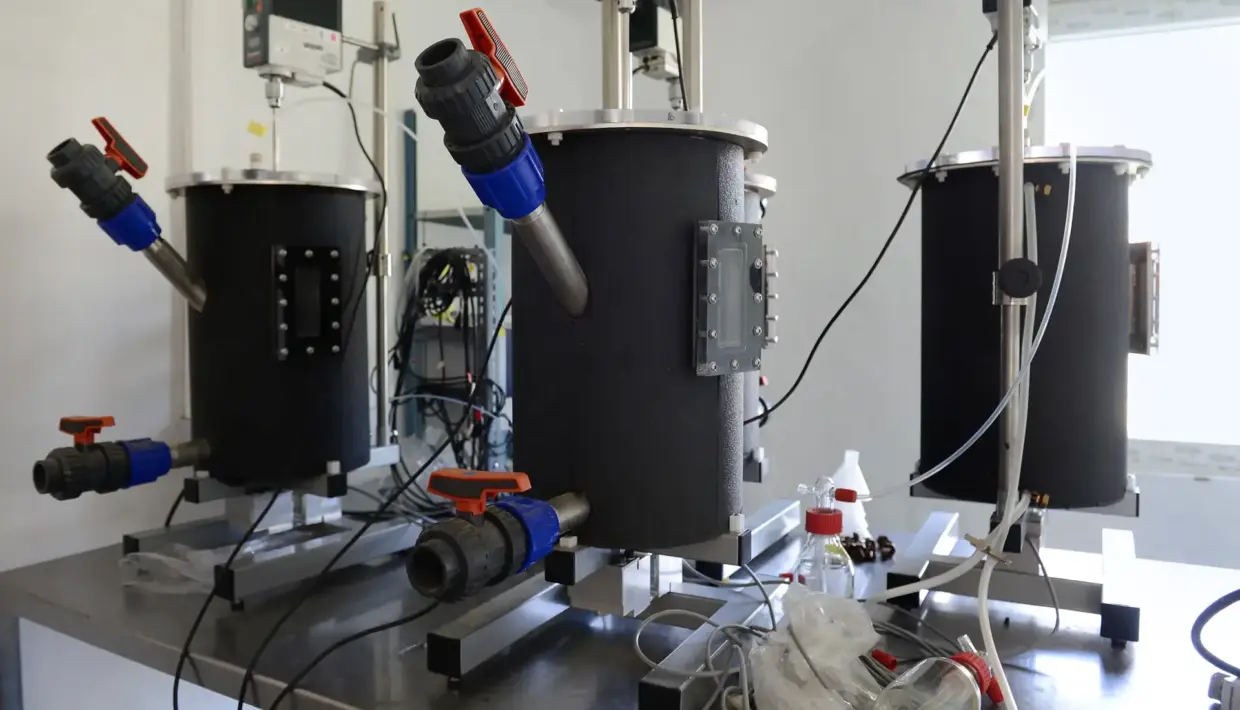
Research at the Berge experimental station laboratory in Brandenburg: Experiments in mini-fermenters.
Bioenergy supports the climate transition
Danish process chemist Anker Jacobsen shares the same perspective. A pioneer in separating biogas into biomethane and carbon dioxide via amine scrubbing, he sees bioenergy as essential to achieving a climate-neutral economy. “However, I criticise the IPCC’s current calculation methods because they simply misjudge the significance of biogenic CO2” he says.
Anker calls for a scientific reassessment of plant based versus fossil-based CO2 and asks fundamental questions. How does carbon circulate in natural and man-made cycles? How does this actually affect the climate? His argument is that new calculation models are needed to advance the energy transition and better agriculture’s positive climate contributions. This is by no means without conflict, he acknowledges, , since the objectives of climate protection and environmental protection often clash. However, he believes that these conflicts can be resolved.

Biogas production from agricultural residues is of vital importance.
Anker Jacobsen, Process Chemist
For Anker, biogas from agricultural residues is especially important because it offers ’green’ carbon with renewable electricity. This is because the CO2 separated from the biogas can react with hydrogen from wind and solar-powered electrolysis to produce e-methanol (CH3OH), for example, which can be used as large-scale fuel for maritime shipping.
Fertilisation, drones, emission reduction
Realising these opportunities will require extensive local agricultural research – not only in barns and fermenters but also in fields across diverse regions. The value of such research is evident at the agricultural experimental in Berge, n near Nauen in Brandenburg’s Havelland district.
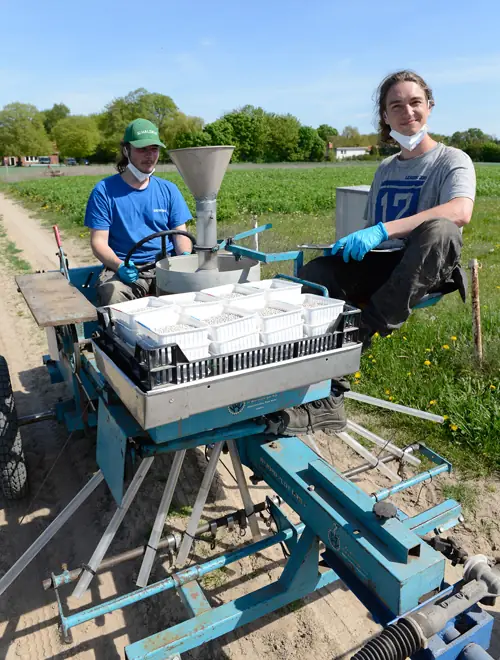
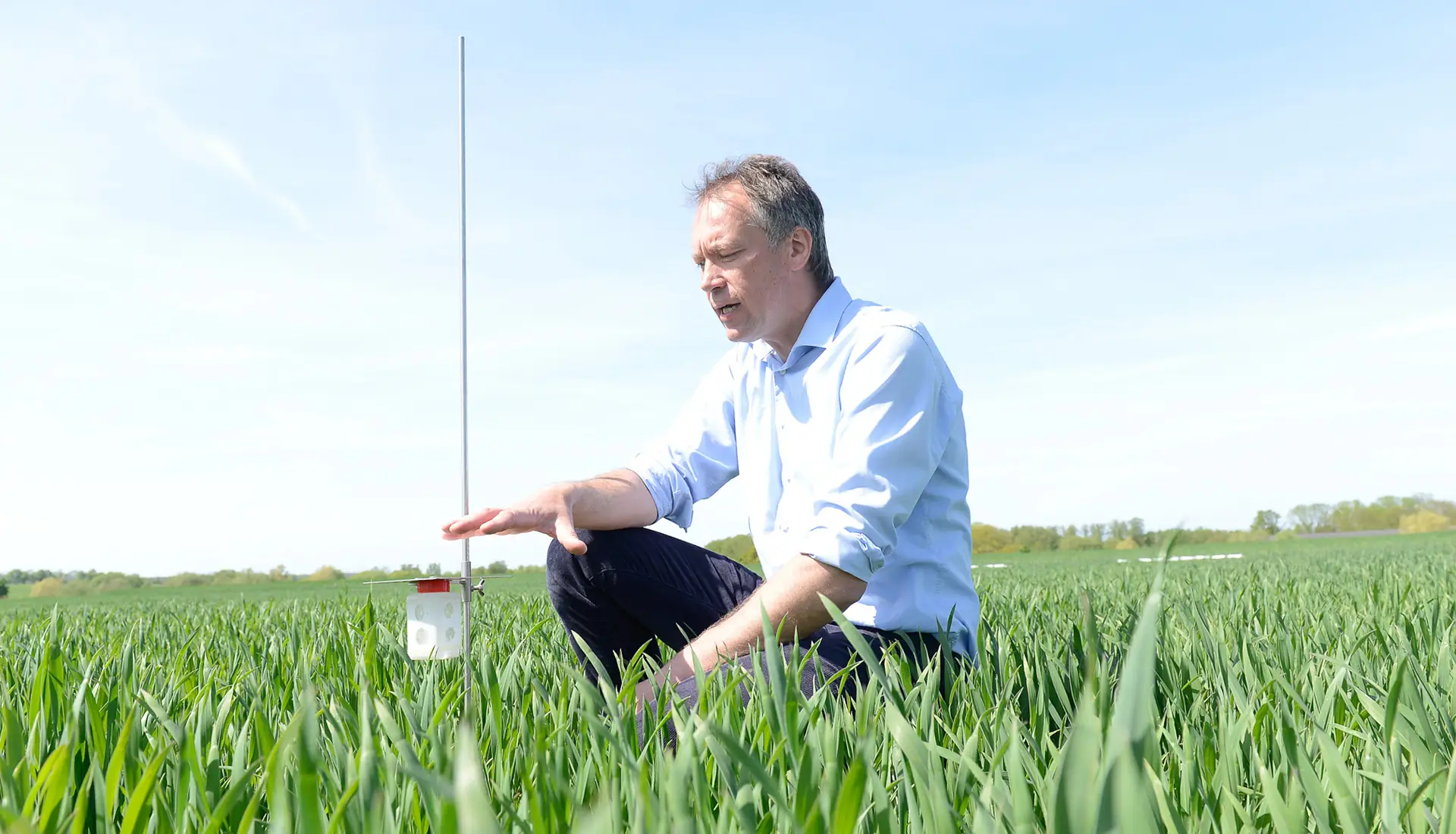
There, Dr Andreas Muskolus and his team have been conducting impressive research there for many years to provide new guidance on adapting agriculture to changing climatic conditions. At the traditional test facility – whose former director Dr Fritz Klatt, published the ahead of its time handbook Field Irrigation and Its Proper Use in 1951, current research explores new fertilisation techniques, drone applications in arable farming, and strategies for reducing climate-damaging emissions.
“One thing is absolutely clear. I don’t want to convey an apocalyptic mood, but we can’t continue farming the way we are”, states Andreas during a tour of the test facility, which is part of the Institute of Agricultural and Urban Ecological Projects (IASP) at Humboldt University in Berlin.

In agriculture we can no longer continue on our current path.
Dr. Andreas Muskolus, Head of the Agricultural Experimental Station Berge
Among other initiatives, his team are working on a project titled ‘GEWINN’, awarded by the Agency for Renewable Resources (FNR), which investigates how methane emissions from applying fermentation residues can be reduced and even harnessed for energy.
The methane yield is expected to increase by ten per cent. Although this margin is still theoretical, the demonstration system installed a container in Berge will soon provide reliable data. “We extract ammonia from the fermentation residue at half a bar negative pressure and add caustic soda and heat so that the long-chain hydrocarbons are broken down and the methane bacteria can convert more”, says Fabian Kraus, project manager at the Berlin Centre of Competence for Water.”