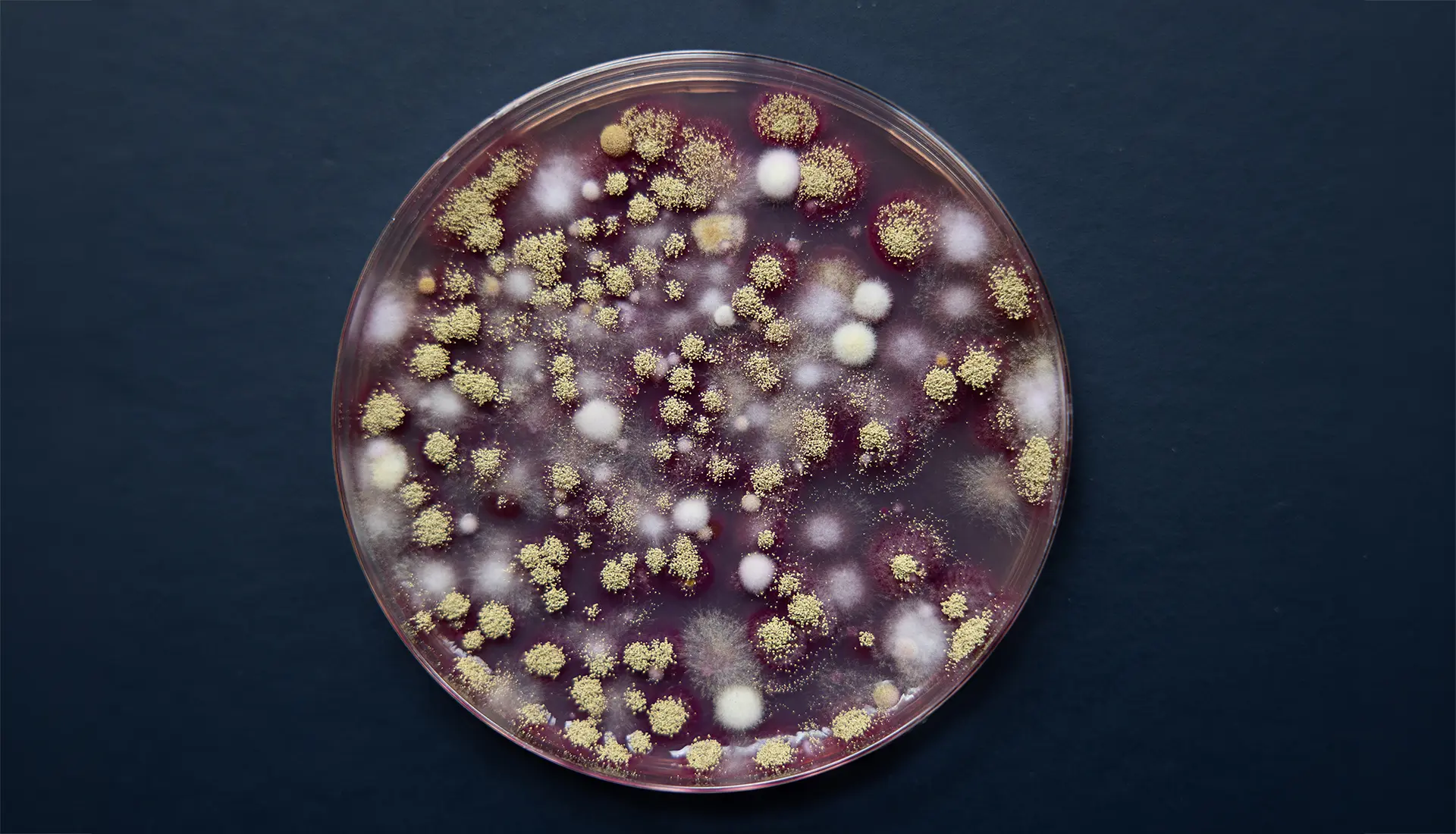
“Soil is not a lifeless substrate, but an extremely complex, living ecosystem.” So says Professor Alicja Niewiadomska head of the Department of Soil Science and Microbiology at the Poznań University of Life Sciences in Poland. It is these micro-organisms; bacteria, fungi, actinomycetes and protozoa – invisible to the naked eye – that are responsible for the processes without which soil, could not function. Alicja has been researching the relationship between the soil microbiome, fertility and crop health for many years. “A vast proportion of the processes taking place in the soil depend precisely on the activity of micro-organisms,” she says. “In 1m2 of grassland, the top 20cm of soil contains around 100bn micro-organisms, representing 10,000 species of bacteria. This highlights the essential, invisible role of these organisms.”
Soil as a living ecosystem
Soil micro-organisms are involved in the decomposition of organic matter, formation of humus, the nutrient cycle, and the development of soil structure. “They help maintain the biological balance of the environment and are characterised by a very efficient carbon economy – using only as much carbon as they need to function,” explains Alicja.
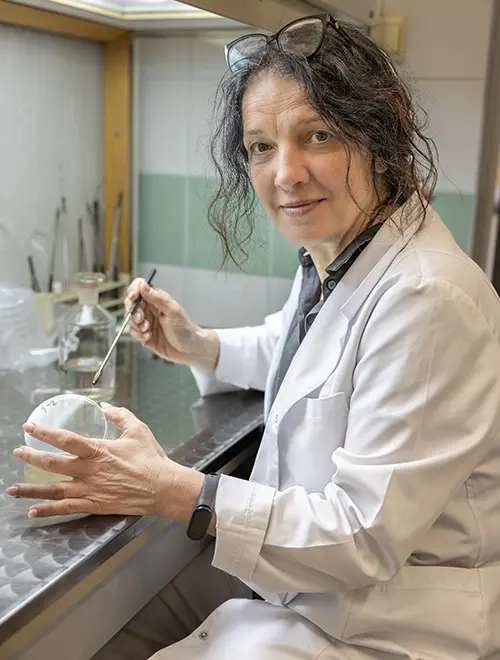
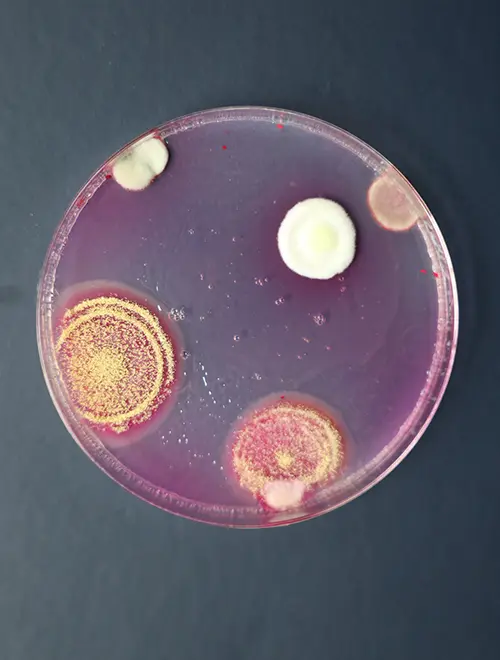
The team led by Professor Alicja Niewiadomska is working to meet the needs of the agricultural sector by developing new microbiological preparations.
The problem arises when micro-organisms from another environment enter the soil, for example, via poorly fermented manure, slurry, or improperly prepared digestate from a biogas plant. Such materials may contain pathogenic micro-organisms or microbes with a very wasteful carbon economy. Therefore, after applying organic matter, it is necessary to monitor whether the soil is returning to its biological balance and whether there is any excessive growth of non-beneficial species.
Micro-organisms create the soil structure
One of the most important functions of micro-organisms is to create the soil crumb structure, which is responsible for water retention, aeration, and protection against erosion. “The bacteria, actinomycetota and fungi secrete organic compounds in the form of polysaccharides, amino acids and proteins, which act as a natural binder,” explains Alicja.
As a result, the mineral and organic fractions of the soil bind together to form soil aggregates which are resistant to water and wind, helping to prevent soil erosion and improving conditions for root system development. Saprophytic fungi are also important. Their hyphae can reach up to 50km/m2 of soil. As their diameter is up to 10 times smaller than that of root hairs, they can penetrate very tight soil spaces, gently pushing the soil apart, improving its aeration and stability.
Natural production of nutrients
Micro-organisms also play a fundamental role in plant nutrition. They are responsible for the mineralisation of organic matter and the conversion of nutrients to plant-available forms. There is a lot of phosphorus in the soil, but it is often unavailable as it is bound in minerals. However, certain bacteria and fungi belonging to the phosphorus-solubilising group are able to release it through the production of organic and mineral acids, and enzymes like phosphatases. Pseudomonas and Bacillus bacteria and Trichoderma fungi are particularly valuable in this respect.
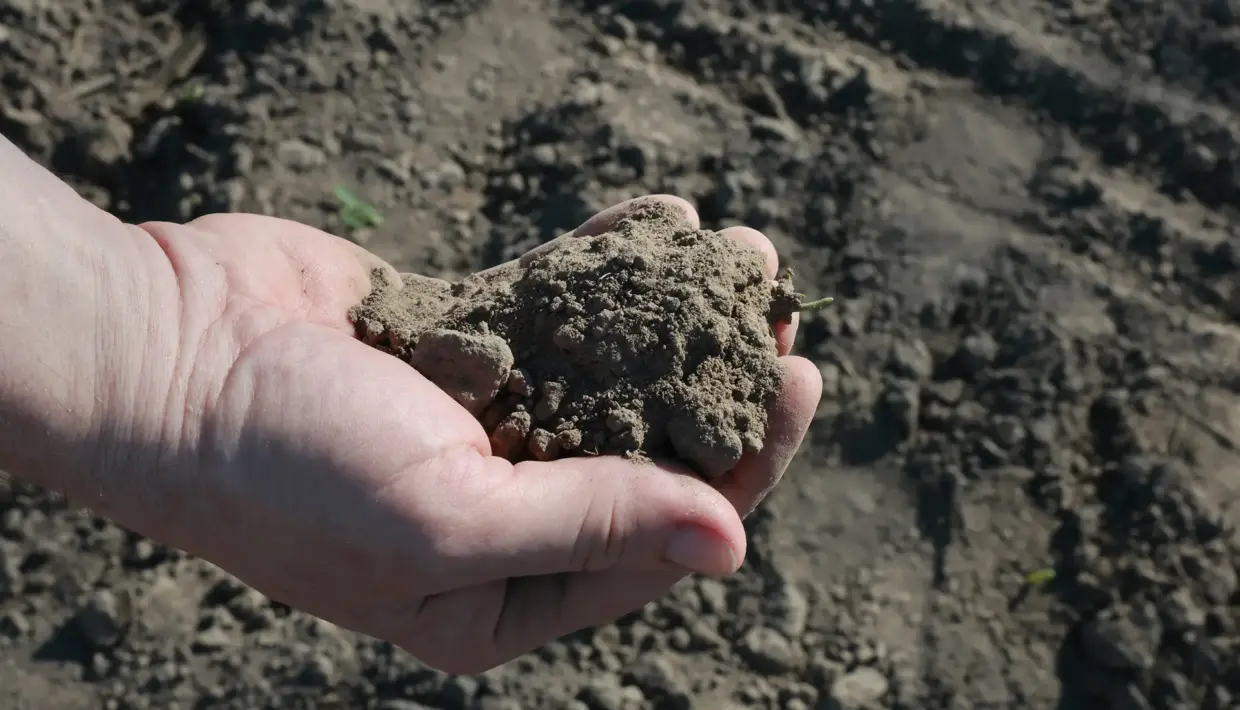
Microbial secretions act as a binder, enabling the formation of a crumb structure in the soil.
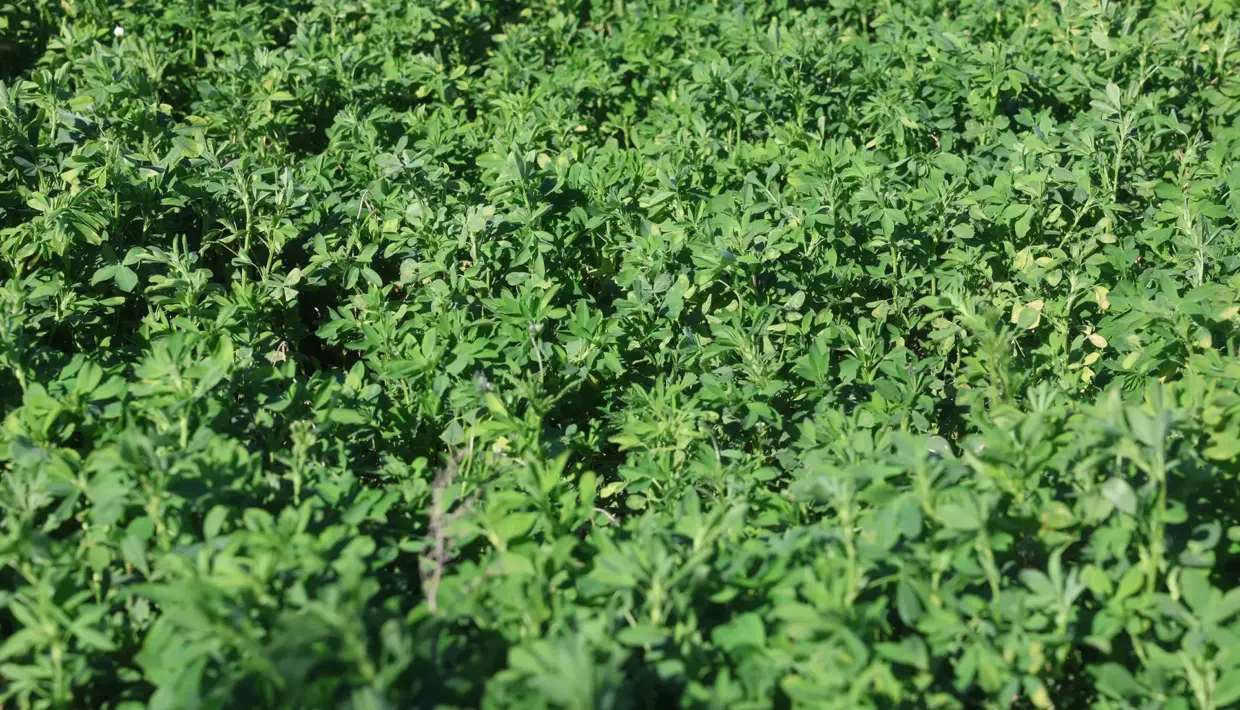
Alfalfa forms a symbiotic relationship with nitrogen-fixing bacteria, helping to enrich the soil with nitrogen and reduce fertiliser requirements for subsequent crops.
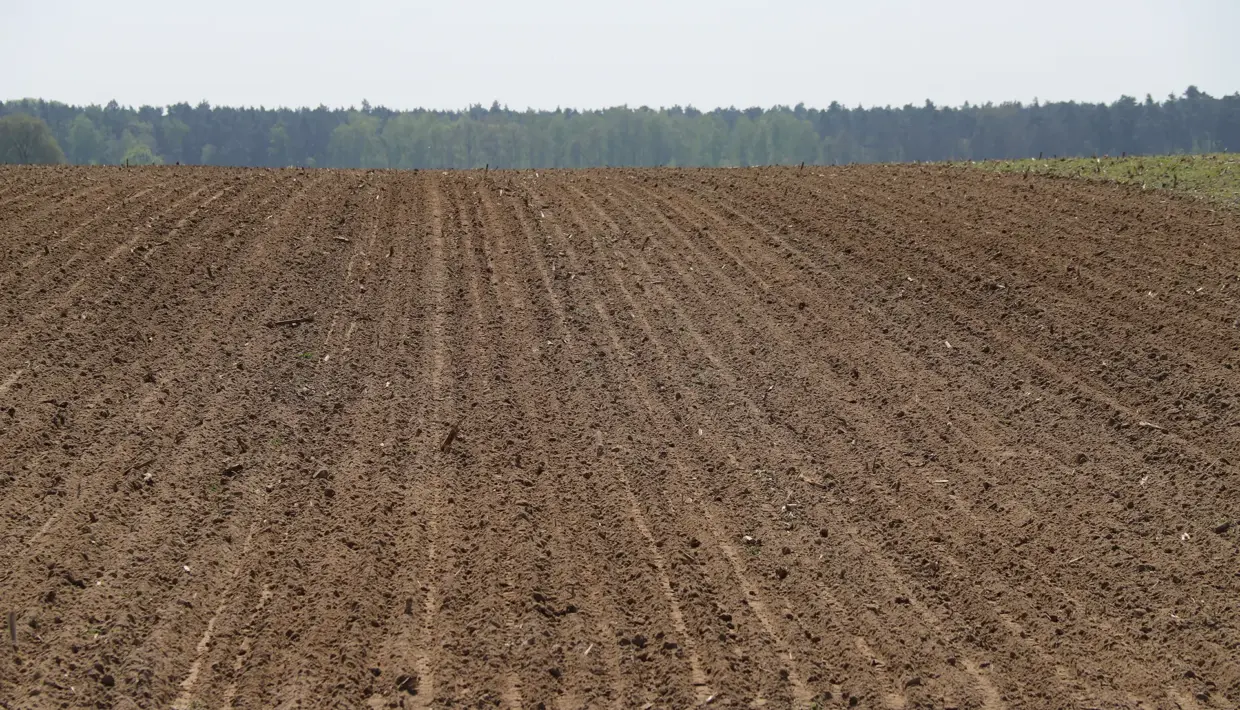
Soil cultivation affects both soil structure and microbial communities. The extent of this impact depends on the depth and intensity of tillage.
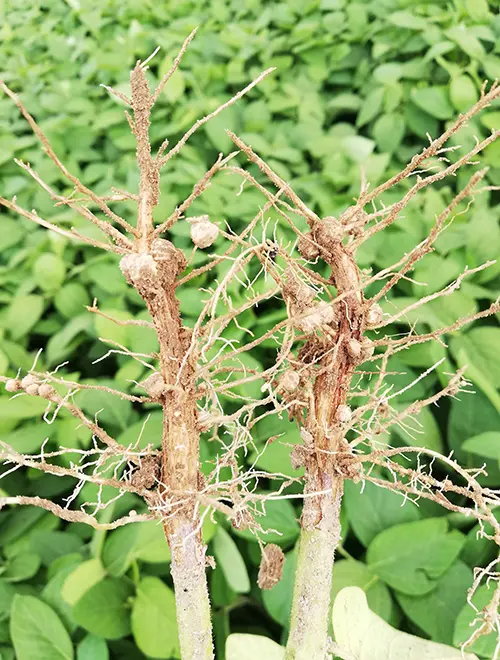
Prokaryotic organisms, like bacteria, also play their part in the process of fixing the atmospheric nitrogen, which is one of the elements crucial for plant growth. In the field, free-living bacteria can fix up to 30kg/ha of nitrogen. In the case of lucerne symbiosis, with appropriate bacteria, this can be as much as 450kg/ha per year – as obtained in research by Alicja’s team. How effective the symbiosis is, depends on the appropriate selection of bacterial strains for a specific plant species. Every legume requires a compatible microsymbiont. The mere presence of root nodules does not necessarily indicate effective nitrogen fixation, due to the possible occurrence of so-called ineffective nodules, colonised by strains that do not produce active nitrogenase.
Micro-organisms protect plants
Soil micro-organisms can also support plant resistance and mitigate the development of pathogens. “Some bacteria and fungi produce antibiotic-like substances and lytic enzymes that destroy the cells of pathogenic fungi,” explains Alicja. Among the most important micro-organisms with protective properties are bacteria of the genera Pseudomonas, Bacillus and Azotobacter. Some micro-organisms also produce siderophores, which are iron-binding compounds. Micro-organisms like Pseudomonas fluorescens, Pseudomonas putida or Trichoderma fungi can sequester iron from the soil very quickly and transfer it to the plant, while simultaneously limiting its availability to pathogens.

The main role of soil micro-organisms is the decomposition and mineralisation of organic substances.
Prof. Alicja Niewiadomska
Support during periods of water scarcity
With increasing pressures from climate change, the ability to mitigate environmental stress using micro-organisms is becoming particularly important. Mycorrhizal fungi increase the absorptive surface area of roots and can transport water from deeper soil layers. This helps plants to cope better in drought conditions. Equally important is the production of growth hormones, like auxins, gibberellins, and cytokinins, by micro-organisms known as plant growth-promoting rhizobacteria, fungi or bacteria.
The impact of agriculture on the soil microbiome
Alicja points out that cultivation method has a huge impact on the biological health of the soil. Ploughing causes the breakdown of soil aggregates, soil desiccation and an increase in the population of actinomycetes, which often dominate under conditions of water scarcity. Simplified and no-till systems yield significantly better results. Strip-till and no-till promote the growth of the nitrifying and nitrogen-fixing bacteria, while simultaneously limiting the excessive growth of actinomycetes associated with soil desiccation.
Catch crops and cover crops are also of great importance. One study conducted by Alicja’s team on preventing soil fatigue in orchards showed that the use of plants like French marigolds, radish and mustard reduced soil desiccation and promoted the development of the desired taxonomic group of proteobacteria. This includes bacteria essential for agricultural production, like nitrifying and nitrogen-fixing bacteria, etc.
Biopreparations – the future of modern agriculture?
The Department of Soil Science and Microbiology is conducting in-depth research into modern microbiological preparations. The consortia of beneficial bacteria and fungi are being developed to support soil fertility and plant growth. However, Alicja points out that it is crucial the individual strains used to create consortia are not antagonistic towards each other.
Modern agriculture should learn to work with micro-organisms, rather than against them.
Prof. Alicja Niewiadomska
A team of scientists has developed, preparations containing bacteria of the genera Bacillus, Pseudomonas and Azotobacter, and has also patented the formulation and soil application of an organic fertiliser based on biochar derived from organic waste. However, Alicja advises against preparations with unconfirmed effectiveness. The label should include the full species name, its concentration, and a detailed description of the preparation and application method. The mere information that a product contains nitrogen-fixing bacteria is insufficient.
How should soil micro-organisms be maintained?
According to Alicja, improving soil’s biological quality primarily requires limiting activities that degrade the microbiome. “Modern agriculture should learn to work with micro-organisms, rather than against them,” she says. “They are the crucial factor of soil fertility, plant health and yield stability.”
The most important practices include:
- Implementing crop rotation
- Reducing mineral fertiliser use
- Reducing chemical crop protection
- Introducing organic matter on a regular basis
- Using catch crops and cover crops
- Using the appropriate bacterial inoculants