The colour blue is very special. The French painter Yves Klein became world-famous for his use of monochrome blue, as seen in the wall-high relief at the Musiktheater in Gelsenkirchen. However, colour does not only play a special role in art, but also in the world of food, with blue-coloured foods in the minority. With that in mind, the special edition blue bear released to mark the milestone birthday of a well-known fruit gum manufacturer was a real eye-catcher.
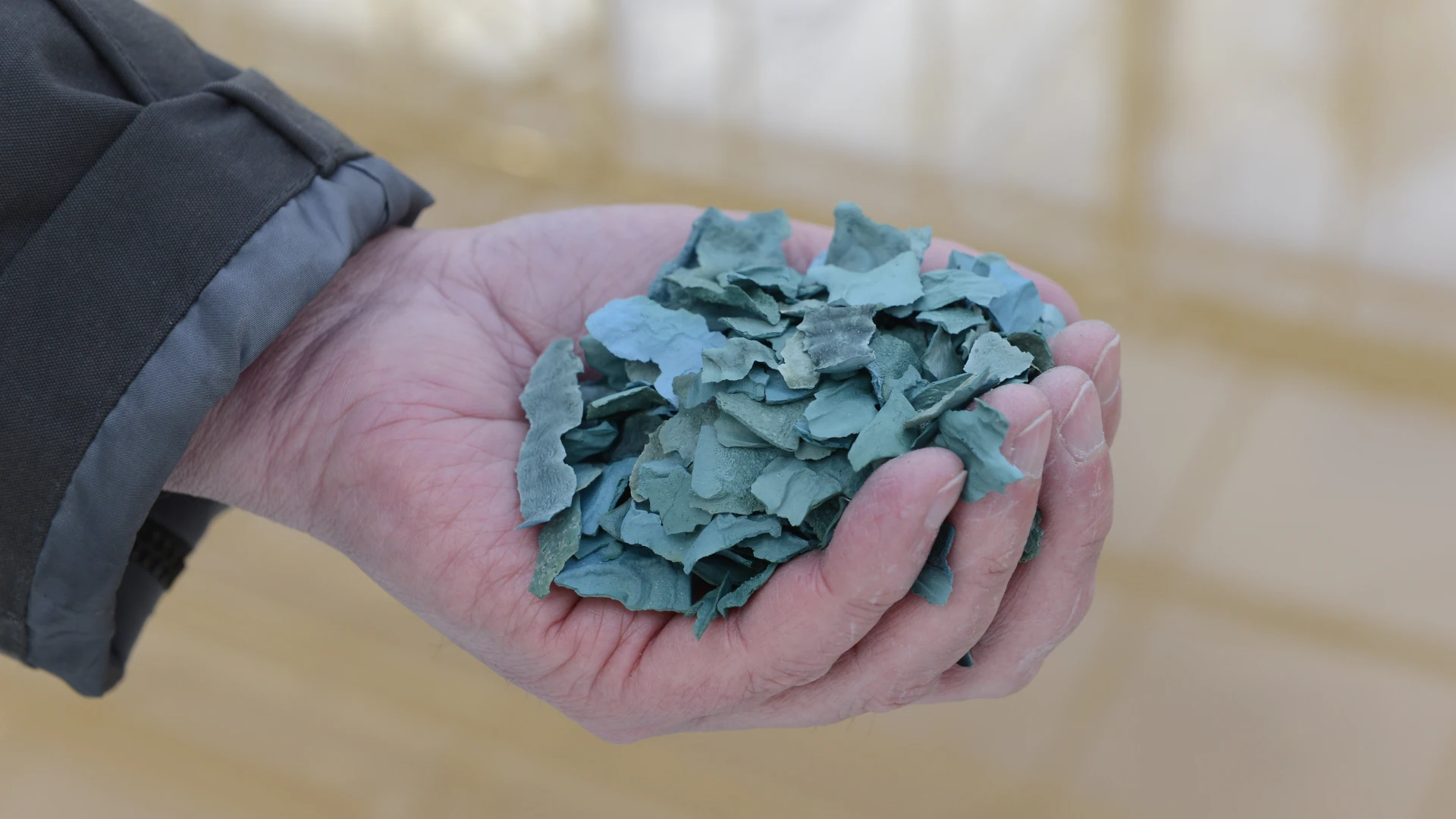
Instead of the synthetic food colouring Brilliant Blue FCF (E133), the colouring agent phycocyanin, derived from microalgae, was used for the blue bear in question. It is derived from spirulina, which has been cultivated in Germany for years. There is even an algae cooperative, whose member companies cultivate spirulina. Among the members are former pig farmers who are now trying to establish a new venture using microalgae.
New Frontiers with Spirulina
Despite the high expectations, spirulina production in this country remains a difficult undertaking, something that Jan Dohrmann is well aware of. He is the managing partner of Aquamondis, a company which operates a demonstration plant to produce spirulina on the roof of a data centre at the GreenTec Campus in Enge-Sande, North Frisia. The servers on the ground floor of the data centre run hot, and the heat is channelled directly to the first floor, to a spirulina culture in extremely alkaline water within a shallow, covered tank.

Ultimately, it is climate-neutral, as the data centre is consistently powered by renewable energy (wind, solar, biogas) from the North Frisian region. And its waste heat is used, completing the circular economy, helping proteins and pigments thrive. For Jan, spirulina represents a new generation of foods that offer a threefold benefit – it does not require any arable land (which is becoming increasingly scarce), it is entirely independent of fossil fuels, and it is resilient in the face of dwindling water resources. Furthermore, spirulina is reportedly 100 times more efficient than cattle farming in terms of protein production per hectare.
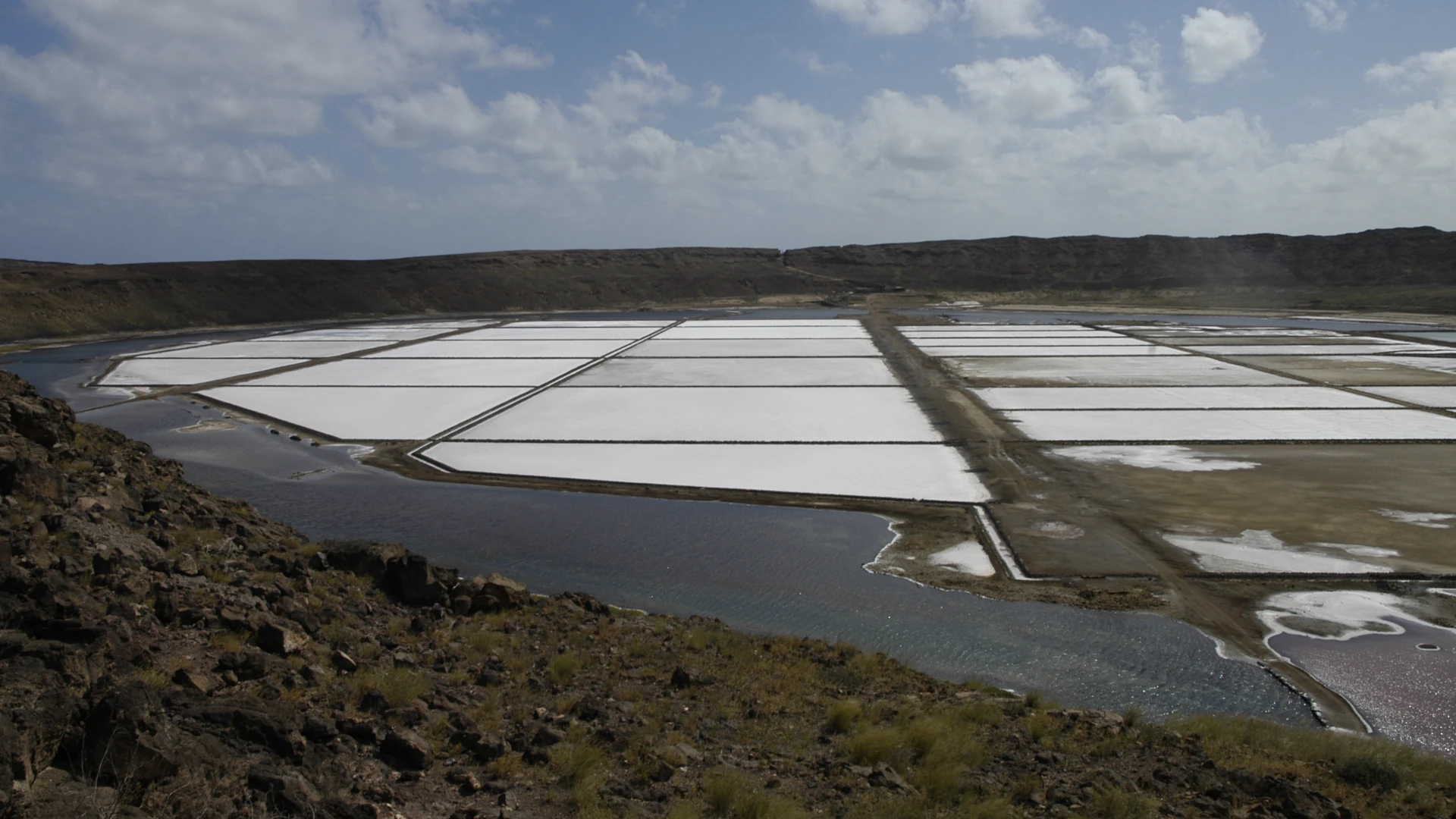
On this chilly day in early spring, however, the microalgae are not growing in Enge-Sande because the outside temperatures are simply too low, and the climatic conditions are a limiting factor for growth. “At our sites in Central Europe, the best we can hope for is to break even,” states Jan. For this reason, he intends to relocate production to Cape Verde in the future – a bold undertaking requiring significant investment. However, he considers this step necessary because the Cape Verde Islands offer ideal conditions – solar radiation is twice as high, guaranteeing 365 days of production, compared with 125 days at the German sites.

At our sites in Central Europe, the best we can hope for is to break even.
Jan Dohrmann, Aquamondis
Higher Productivity Closer to the Equator
Instead of 15t/ha, up to 60t/ha can be harvested in Cape Verde. Furthermore, electricity is abundant from solar and wind energy on the Creole islands off West Africa. And the seawater there is at a constant average temperature of 24 degrees celsius, which, when treated in desalination plants, enables sustainable water management. Existing fibre-optic infrastructure also offers all the capabilities needed for digitally automated process control in spirulina production; for example, Körber Technologies GmbH is already working on optimising spirulina production using AI algorithms.
Regardless of the business challenges, Jan believes there is a growing global market for spirulina, with demand for non-animal proteins increasing. Statistics show that sales amounted to €436m (£371m ) in 2022, and forecasts suggest that this figure will rise to over one billion by the end of the decade.
While it remains to be seen how Jan’s exciting plans will pan out, oceanBASIS GmbH is already firmly established in the market. The Kiel-based company employs around 20 people and produces a whole range of natural cosmetics from macroalgae under the brand name Oceanwell.
Oceans as a Source of Sustainable Products
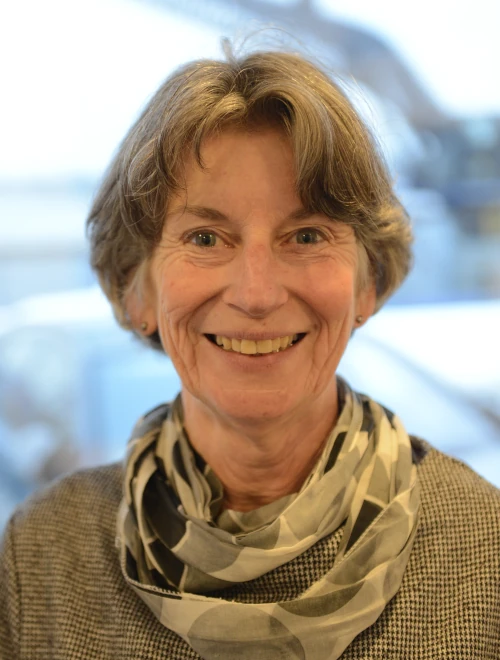
Inez Linke PhD is a co-founder and co-owner of the innovative company. The marine biologist, along with her colleagues, has been working intensively since the 2000s to promote the sustainable use of coastal waters – either for food and health or as renewable raw materials for processing in various industrial sectors. After numerous experiments and research projects like algae cultivation in the Kiel Fjord, Linke and her team eventually turned their attention to extracting valuable ingredients from macroalgae for use in cosmetics like skin creams.
“One kilogramme of algae contains the trace elements found in 10,000 litres of seawater,” Inez says. These include important substances like iodine, selenium or B12 – to name a few. “Unlike land plants, macroalgae do not absorb these trace elements through their roots, but exclusively through their leaves; that is why the biological concentration is so high,” she explains.
One kilogramme of algae contains the trace elements found in 10,000 litres of seawater.
Inez Linke, oceanBASIS GmbH
The technology developed in-house for the fermentation of algae extracts using special yeast cultures is arguably the key to the long-term success of oceanBASIS GmbH. “We want to become one of the five best-known natural cosmetics brands in Germany,” says Inez.
Although the scent of the Baltic Sea reaches the company headquarters right on the Kiel Fjord, the company sources its raw materials from an algae farm in Norway. Why? It’s quite simple – the Norwegians are leaders in marine aquaculture, and the algae thrive in cold water.
Balancing Vast Potential with Practical Use
Although the company aims to grow, for Inez and her team, sustainable use of the sea is the foundation of everything they do, and they aim to give back to marine life, with 10c (10p) from the sale of every Oceanwell product going towards marine conservation. “We must not take more from the sea than it can provide,” warns Inez. “Through our ‘Protect the Ocean’ initiative, we actively support marine conservation projects like the protection of endangered sea turtles in Cape Verde and the recovery of ghost nets from the Baltic Sea.”
Yet the sustainable potential offered by the sea is far from fully realised. Some pioneers in the algae industry see great opportunities in the expansion of offshore wind energy, where algae farms could be established to make effective use of the structures.
Algae are also attracting interest as a ‘blue pharmacy’ for global medicine – especially given that there are an estimated 400,000 species. Although marine active ingredients are not a miracle cure, they do offer exciting alternatives for the treatment of diseases – thanks to their anti-tumour ingredients. However, until this becomes a reality in practice, great efforts in research and development are still required. And one thing is already clear – in these uncertain times on land, algae is inspiring more and more pioneers. Just as the art of Yves Klein once did.